
Spring meeting recap
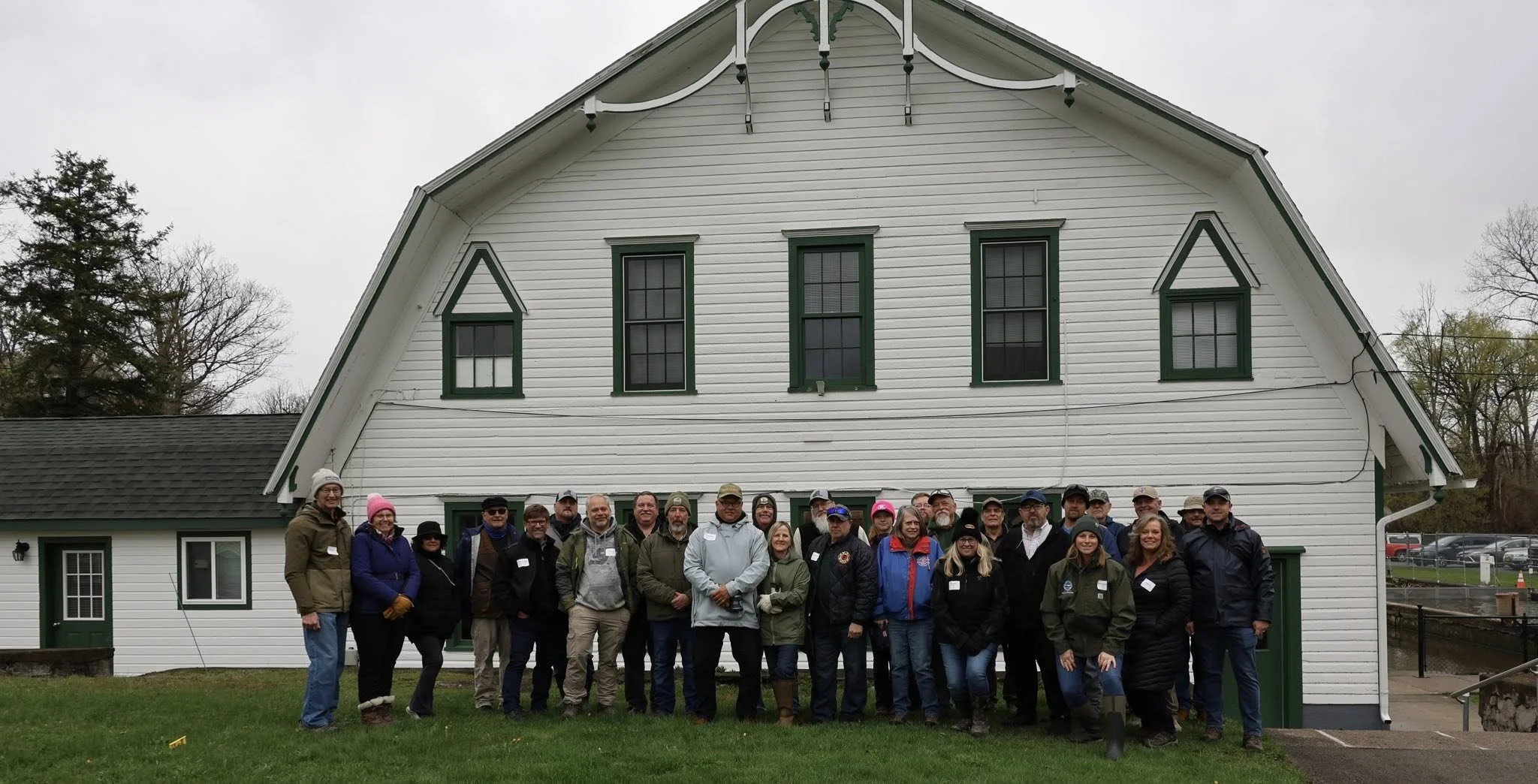
The Spring Meeting brought together a strong and highly engaged turnout of members from across the state for a comprehensive weekend of policy, education, and collaboration. Key discussions focused on advancing a constitutional amendment to protect the right to hunt, trap, and fish, reviewing active legislation, and progressing Council resolutions, alongside DEC and U.S. Fish and Wildlife updates, committee reports, and a live K9 demonstration. The meeting concluded with a hands-on tour of the historic Caledonia Fish Hatchery and additional field activities, reinforcing the Council’s commitment to conservation, education, and the future of outdoor traditions in New York.
spring meeting summary
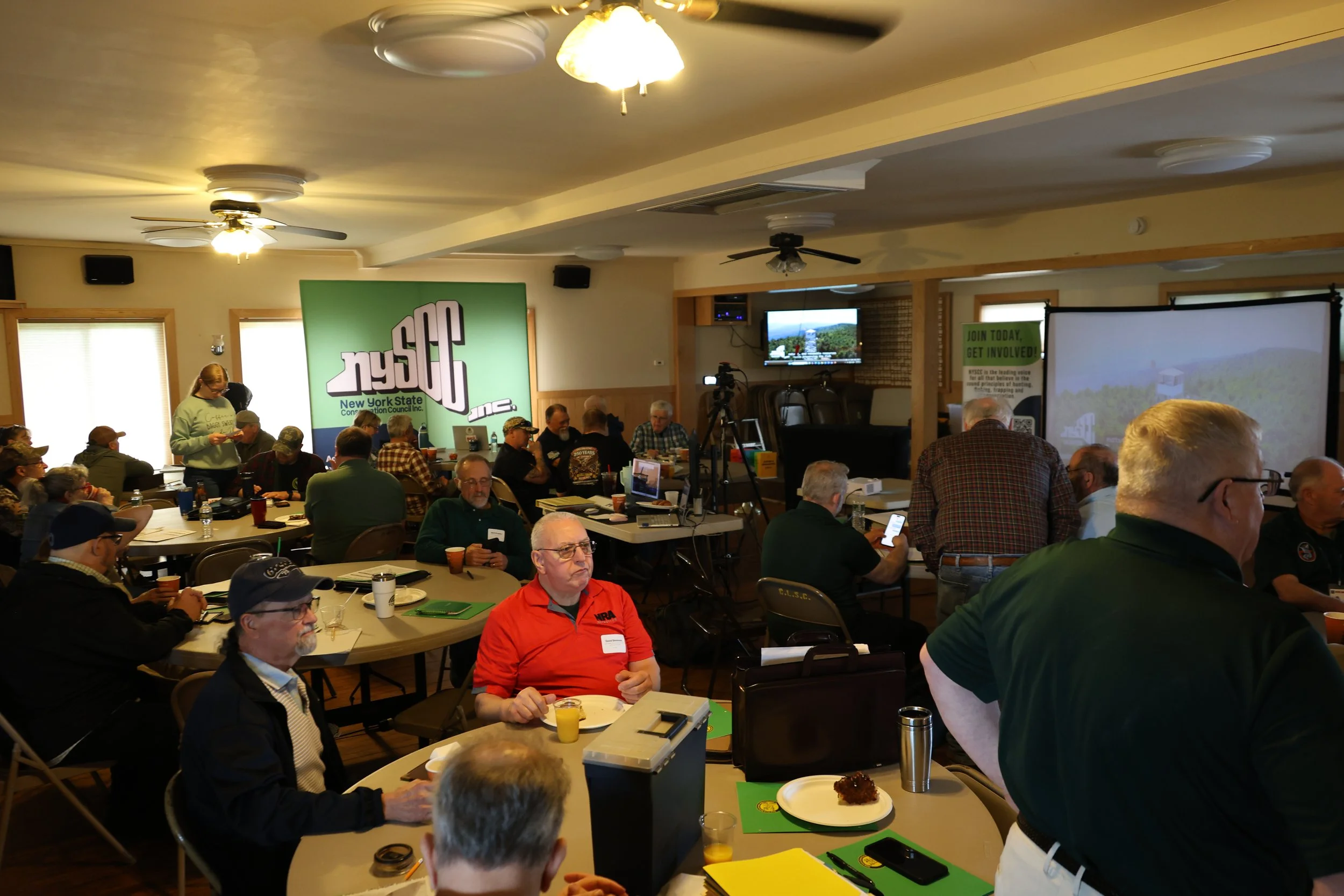
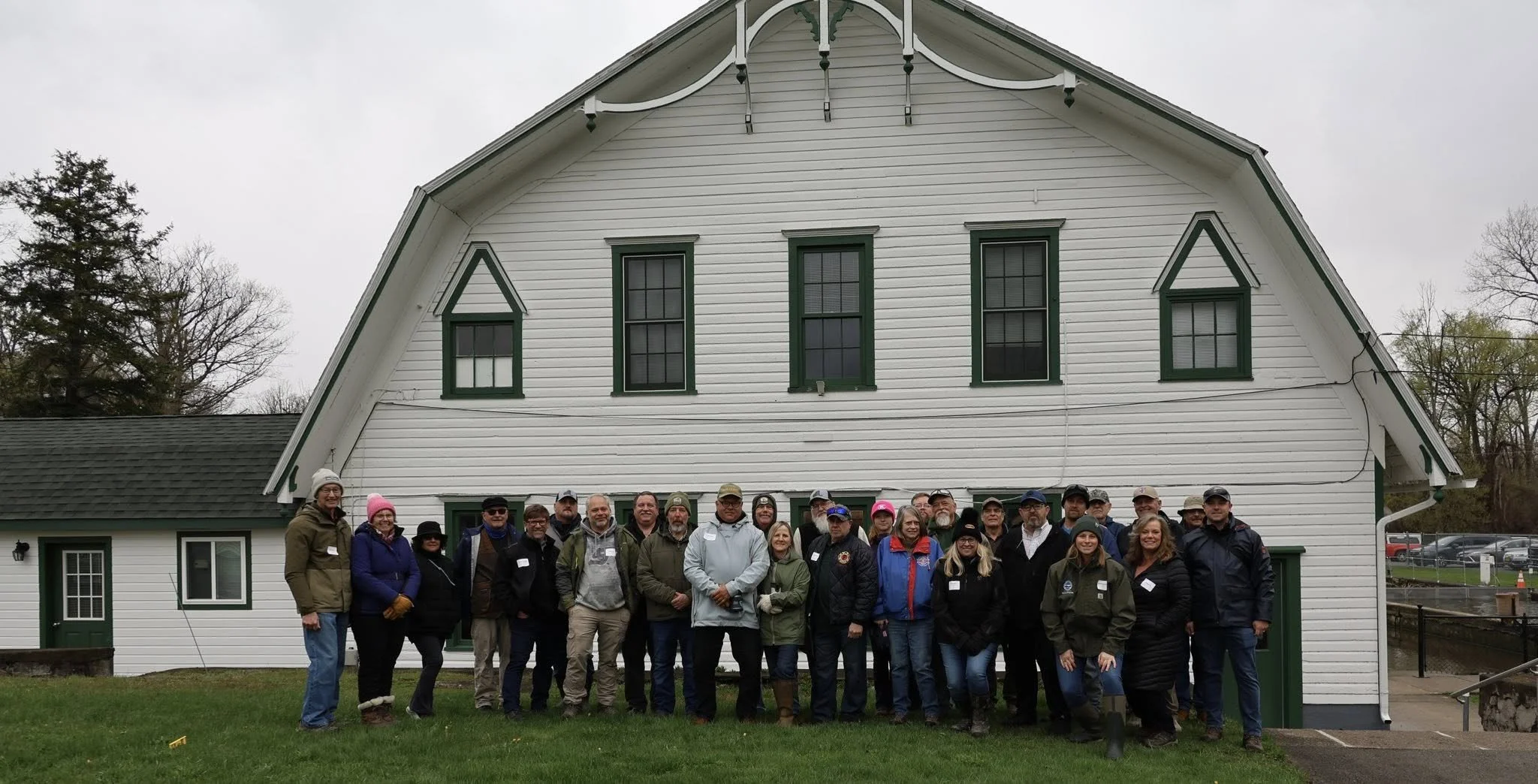
The 2026 Spring Meeting held in Livingston County, was well attended, drawing strong participation from members, leadership, and partner organizations across the state and reflecting a high level of engagement around the Council’s priorities. The weekend began with a Friday evening council mixer at the RIT Conference & Event Center, providing an opportunity for networking and informal discussion ahead of the formal sessions. Fourteen (14) statewide counties were in attendance on Friday night.
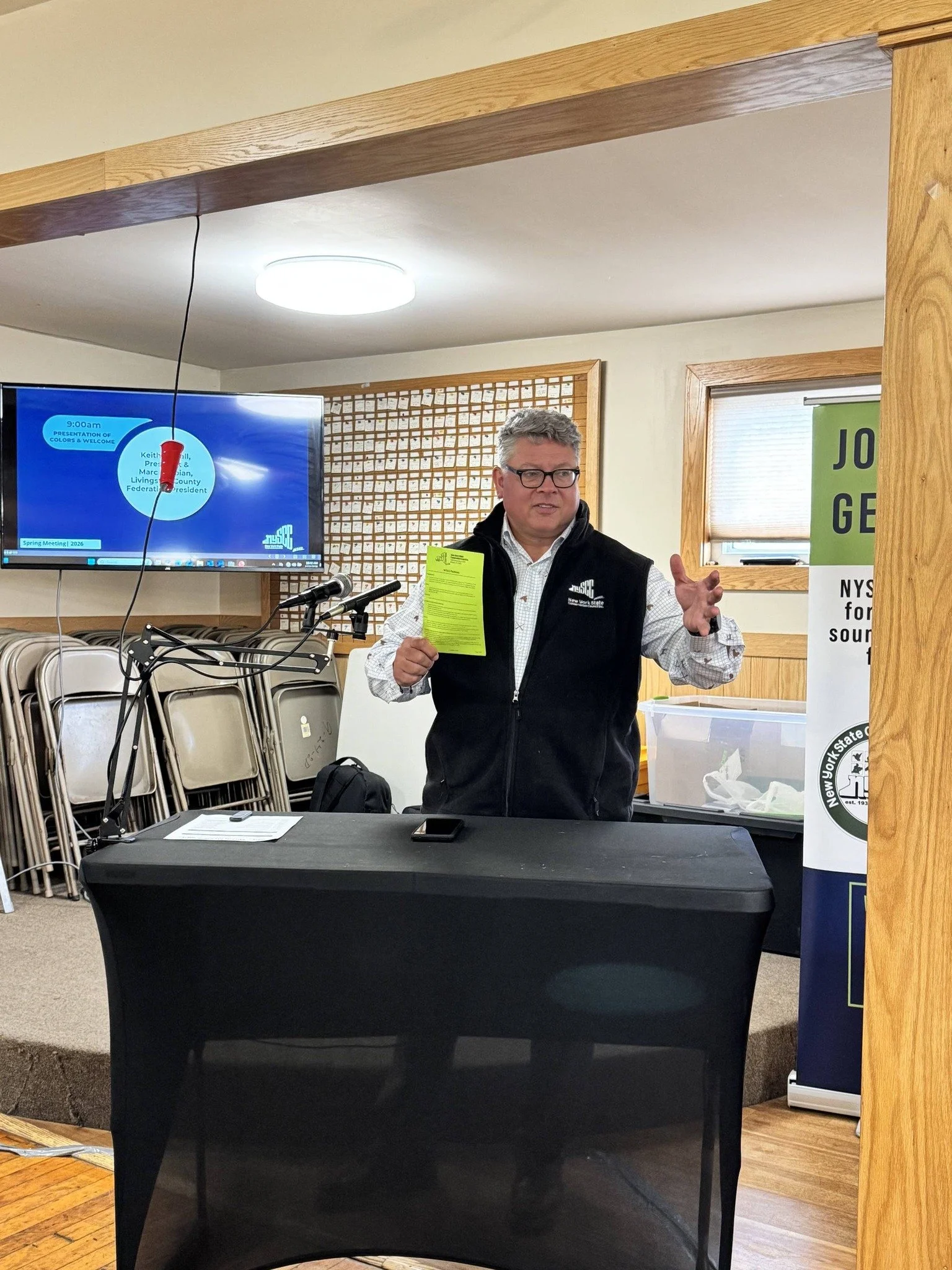
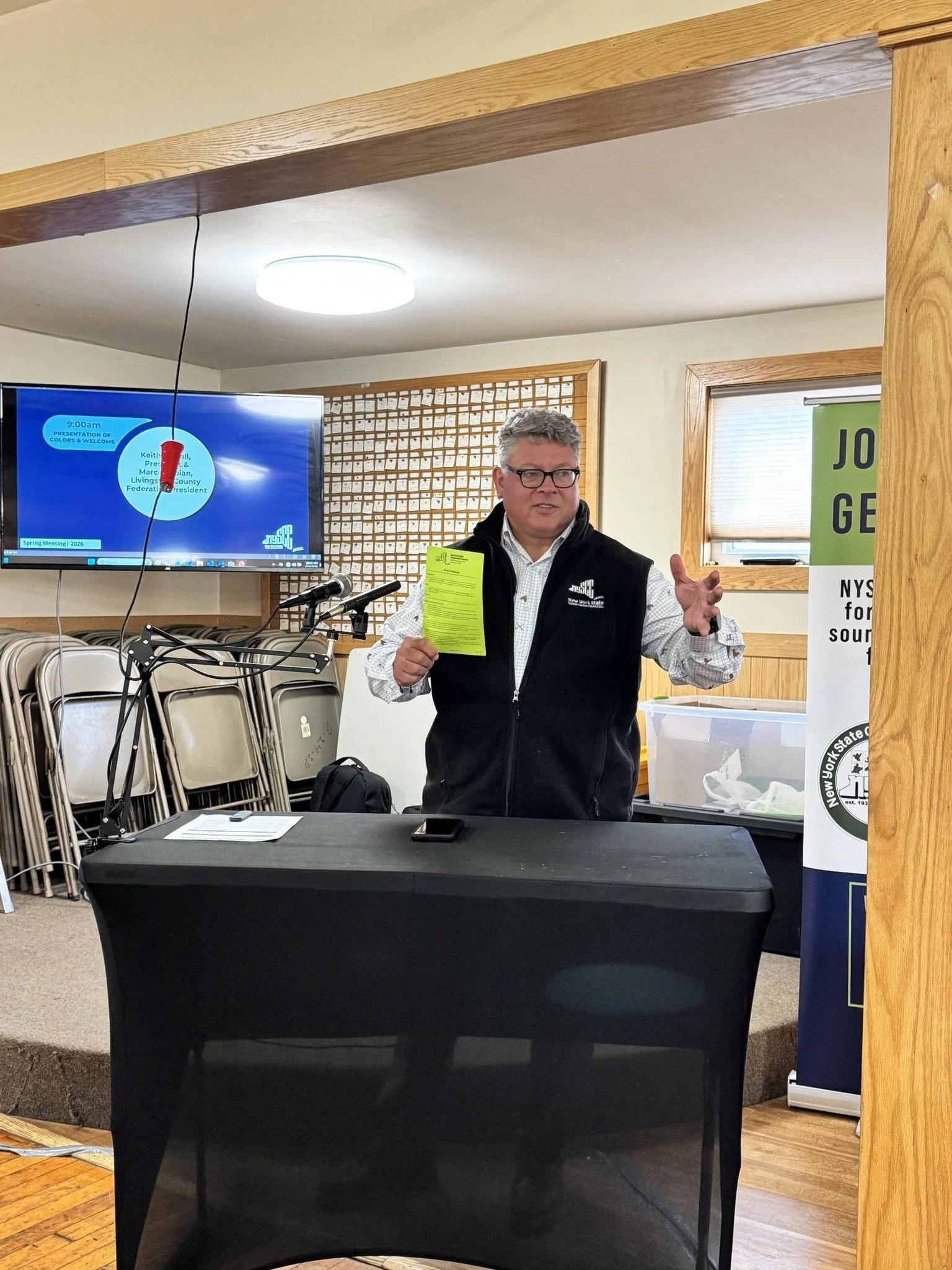
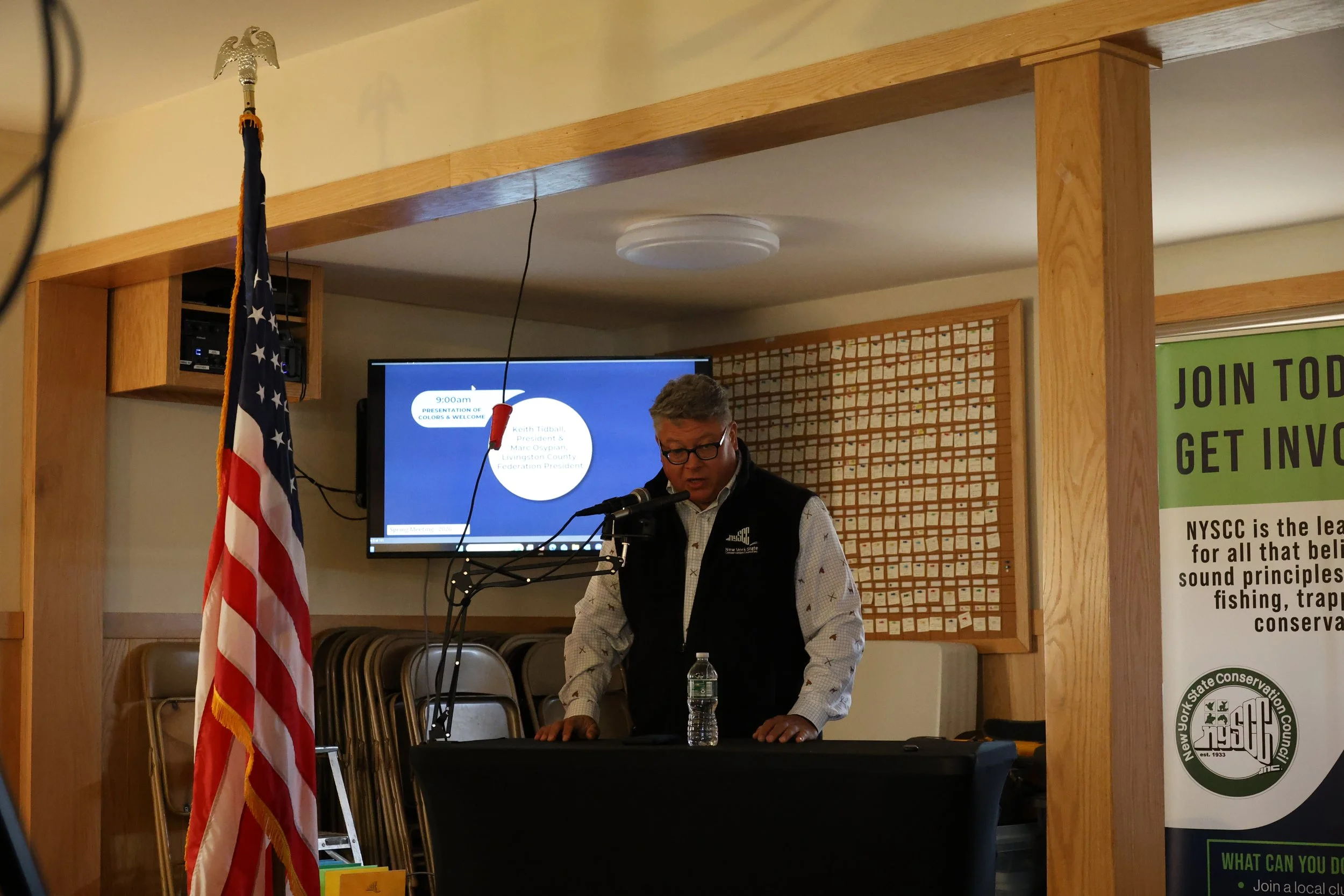
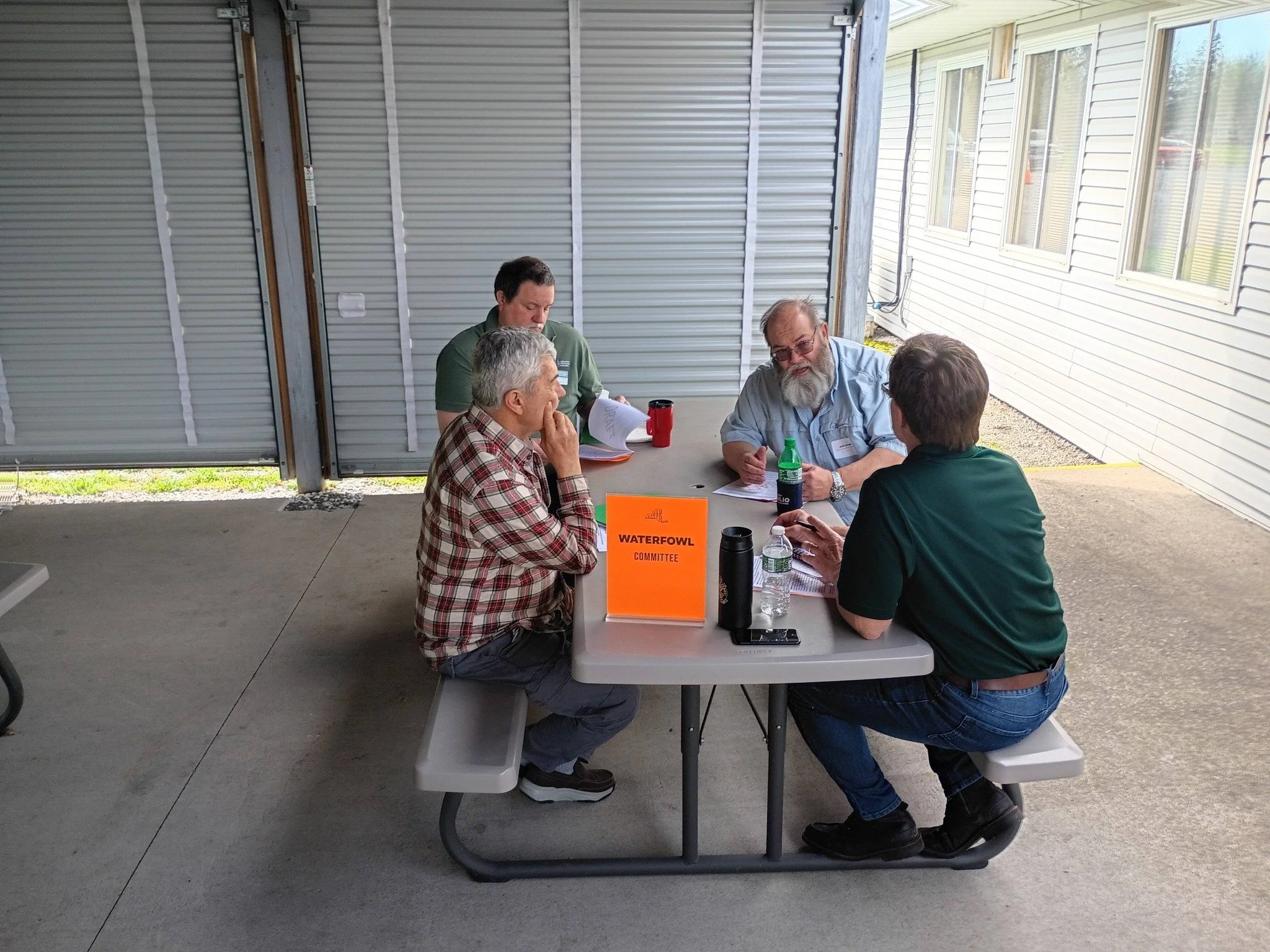
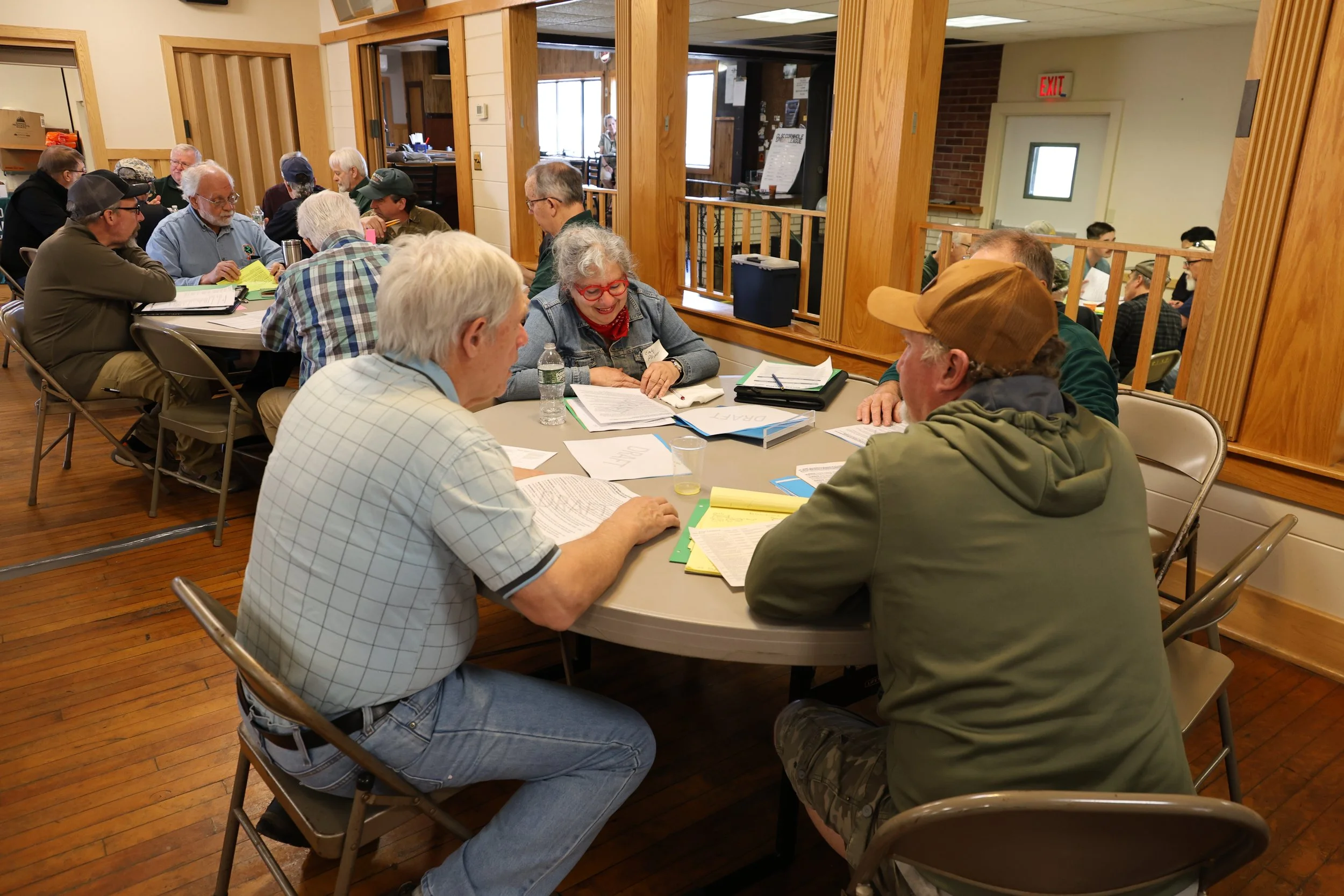
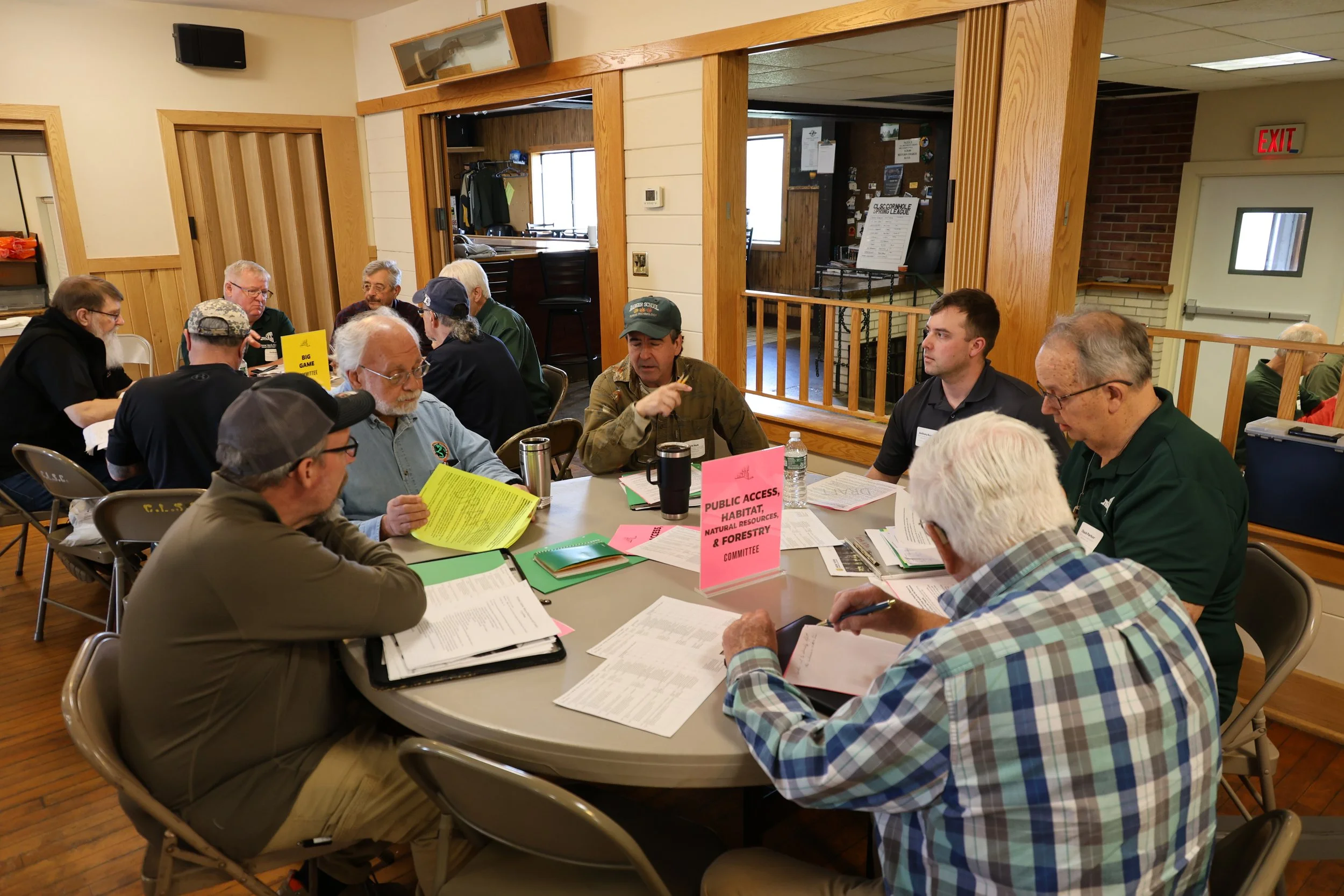
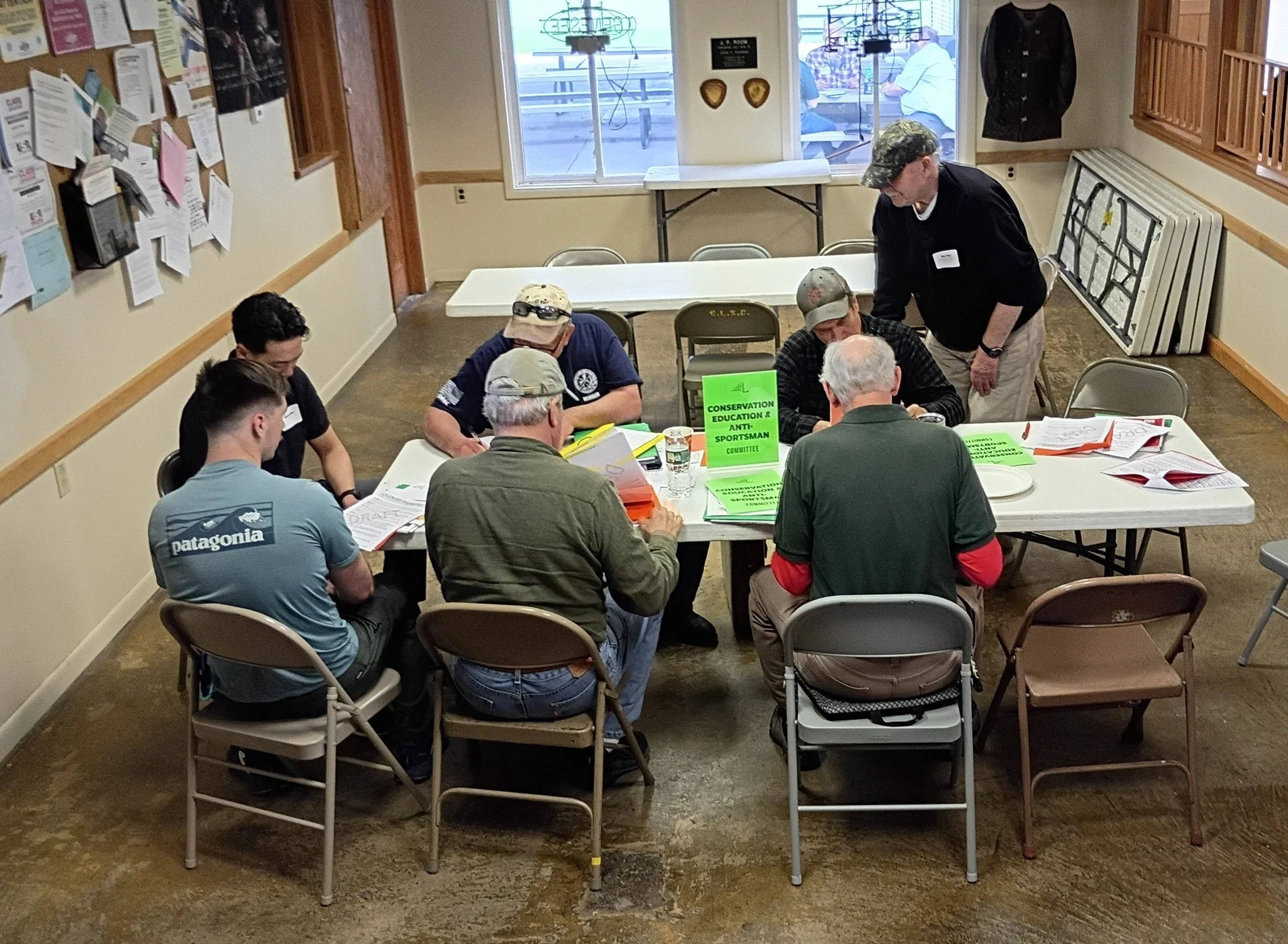
Saturday’s program, held at Conesus Lake Club followed by dinner at Jeremiah’s Tavern, followed a structured and comprehensive agenda that moved from organizational priorities into policy, legislative, and technical discussions. The meeting opened with registration, continental breakfast, presentation of colors, and welcome remarks, before transitioning into a detailed overview of the Council’s top initiative—a constitutional amendment to protect the right to hunt, trap, and fish in New York State. Leadership emphasized that constitutional protection provides long-term stability compared to statutory law and outlined the multi-year process required for passage, including legislative approval across multiple sessions and voter ratification. This was followed by a resolutions process recap and committee breakout sessions, reinforcing that resolutions are not endpoints but the foundation for continued advocacy with legislators and DEC officials. Late morning discussion included an active legislation summary, highlighting the breadth of bills under review and the Council’s coordinated approach to engagement.
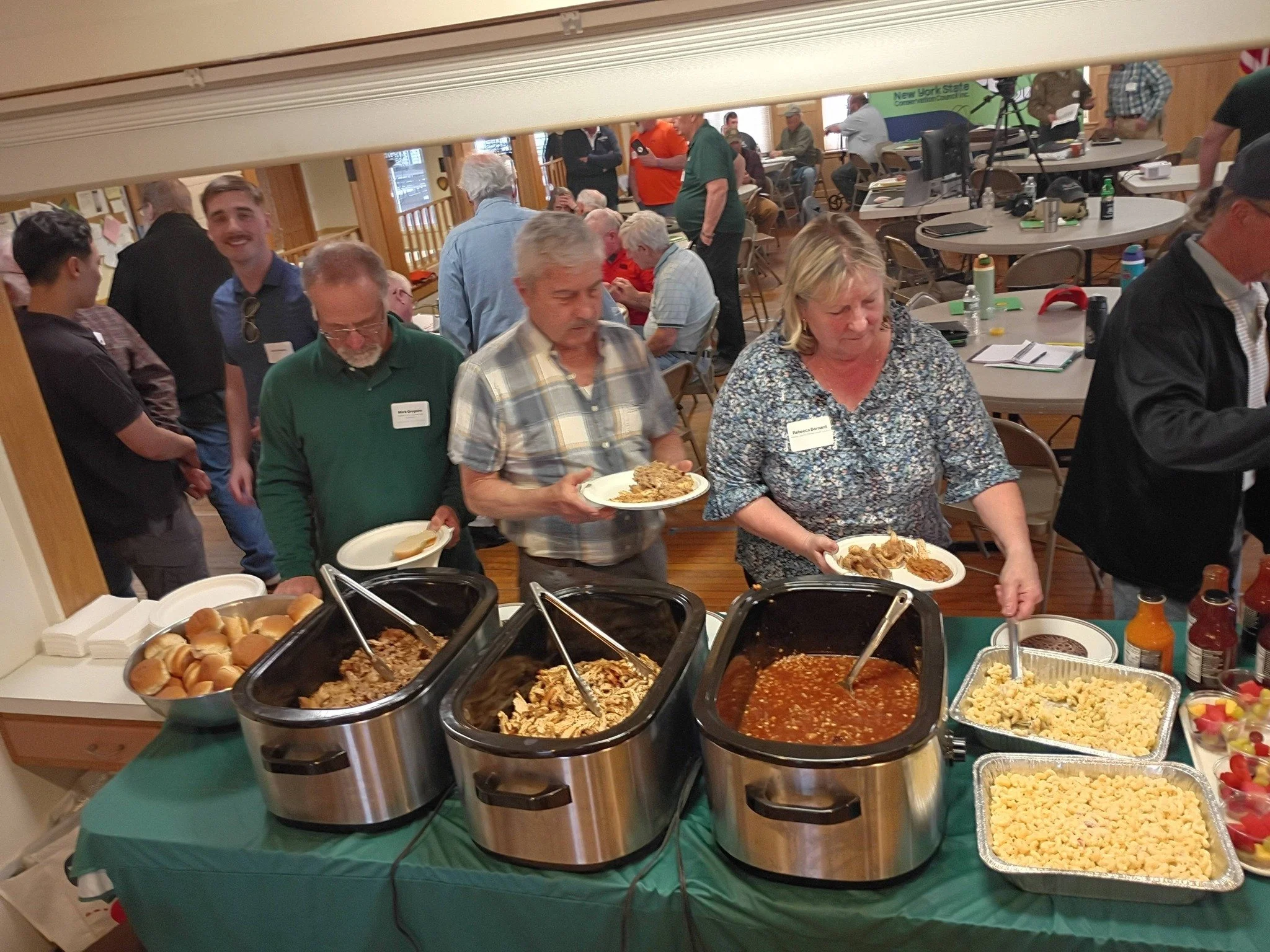
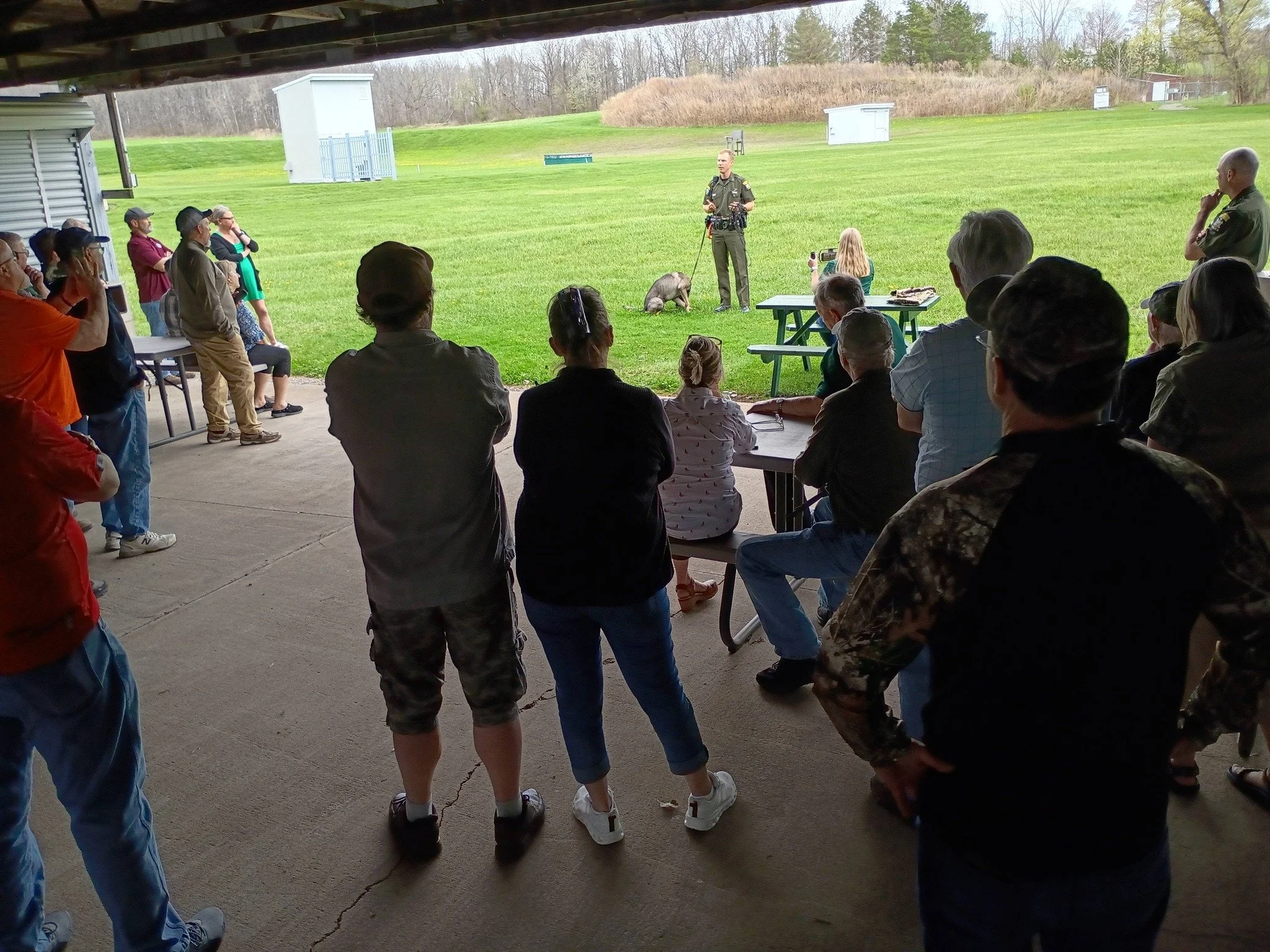
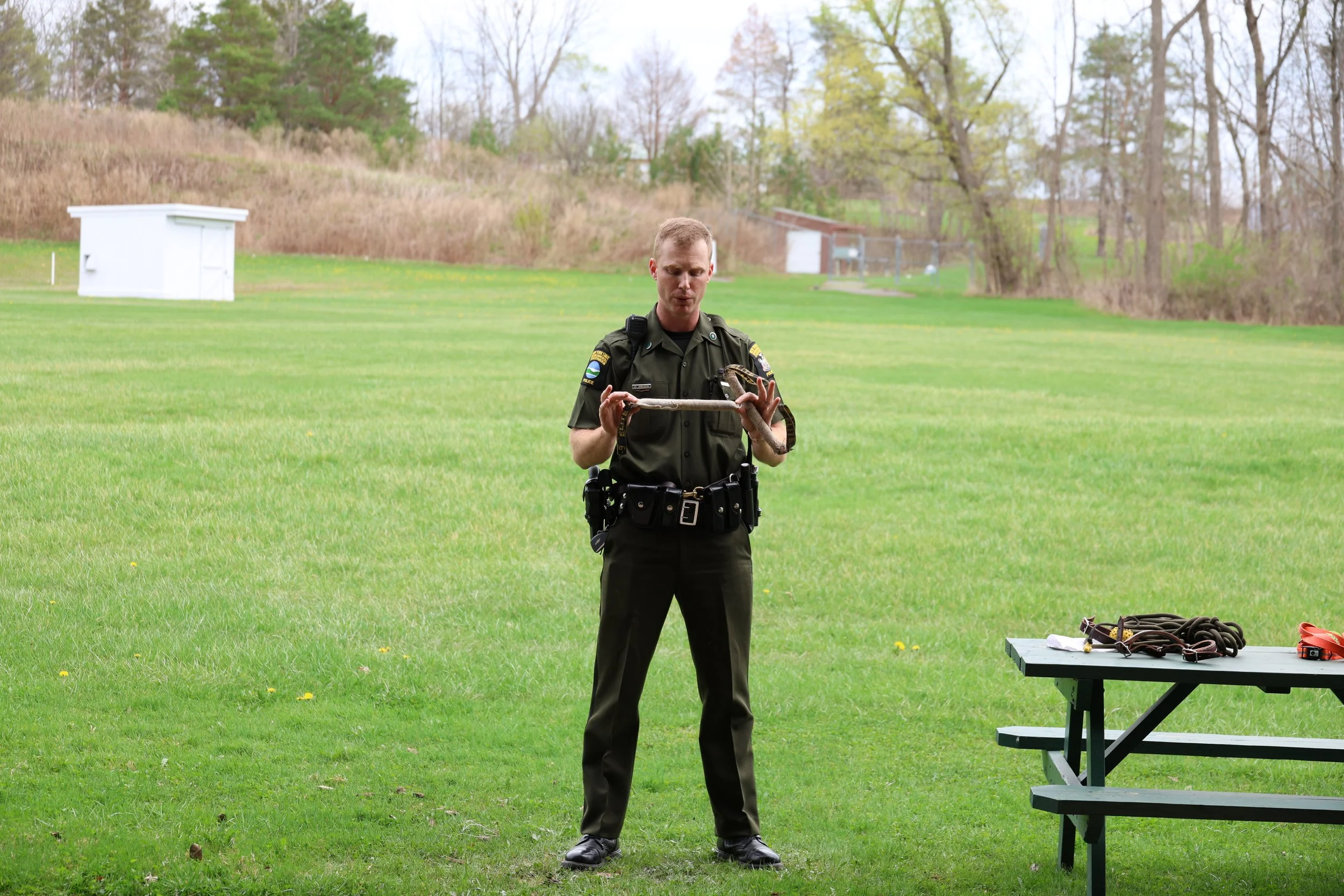
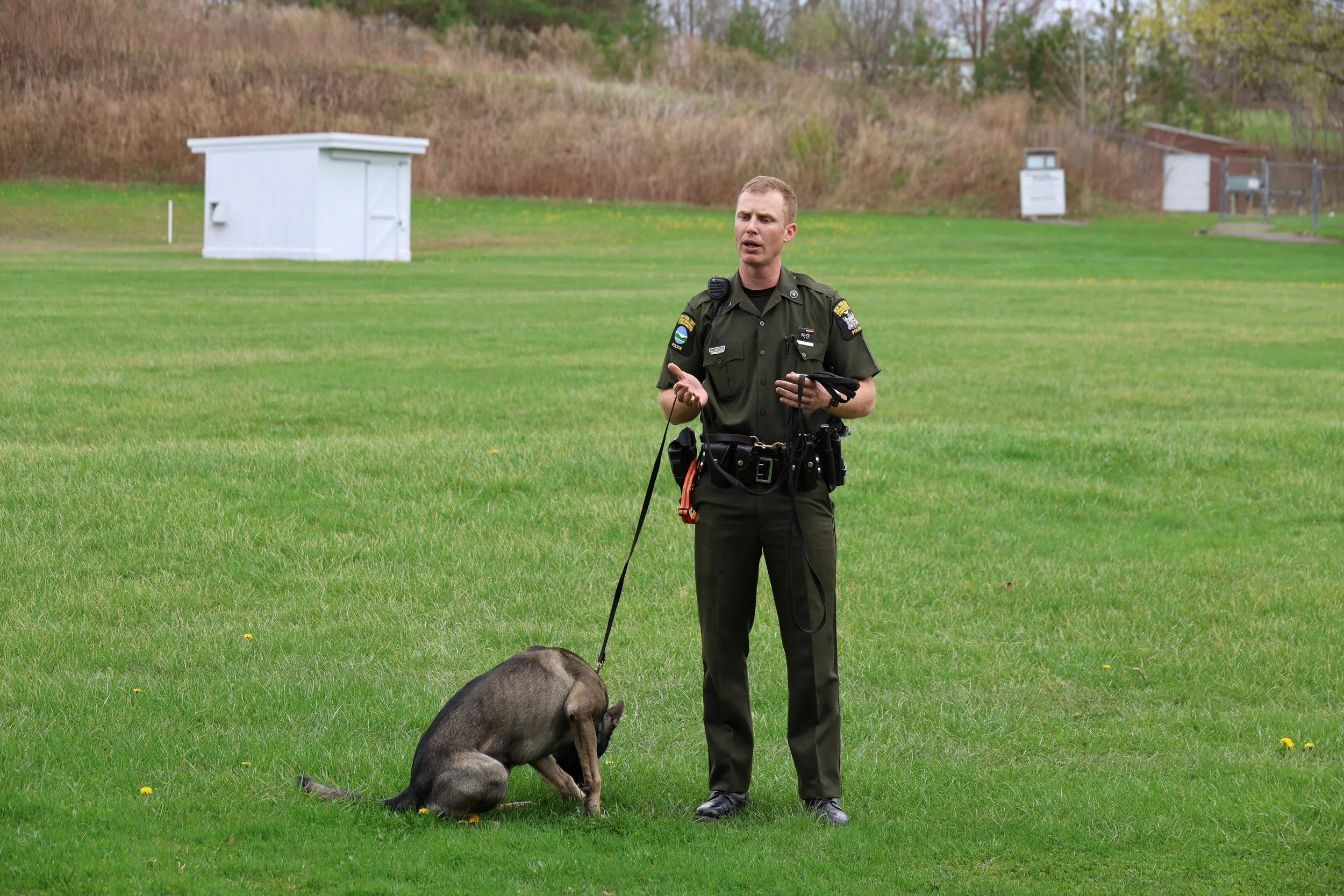
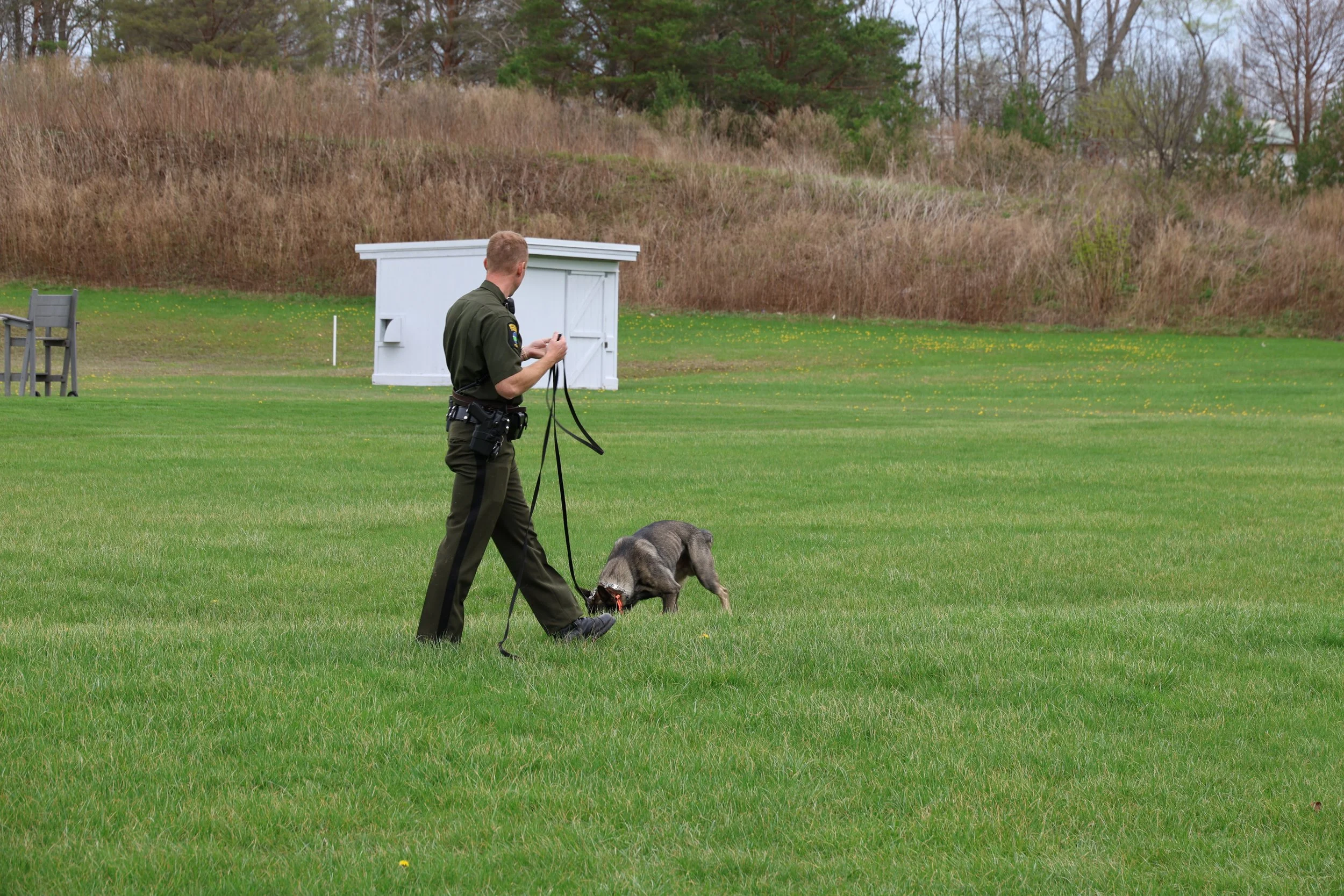
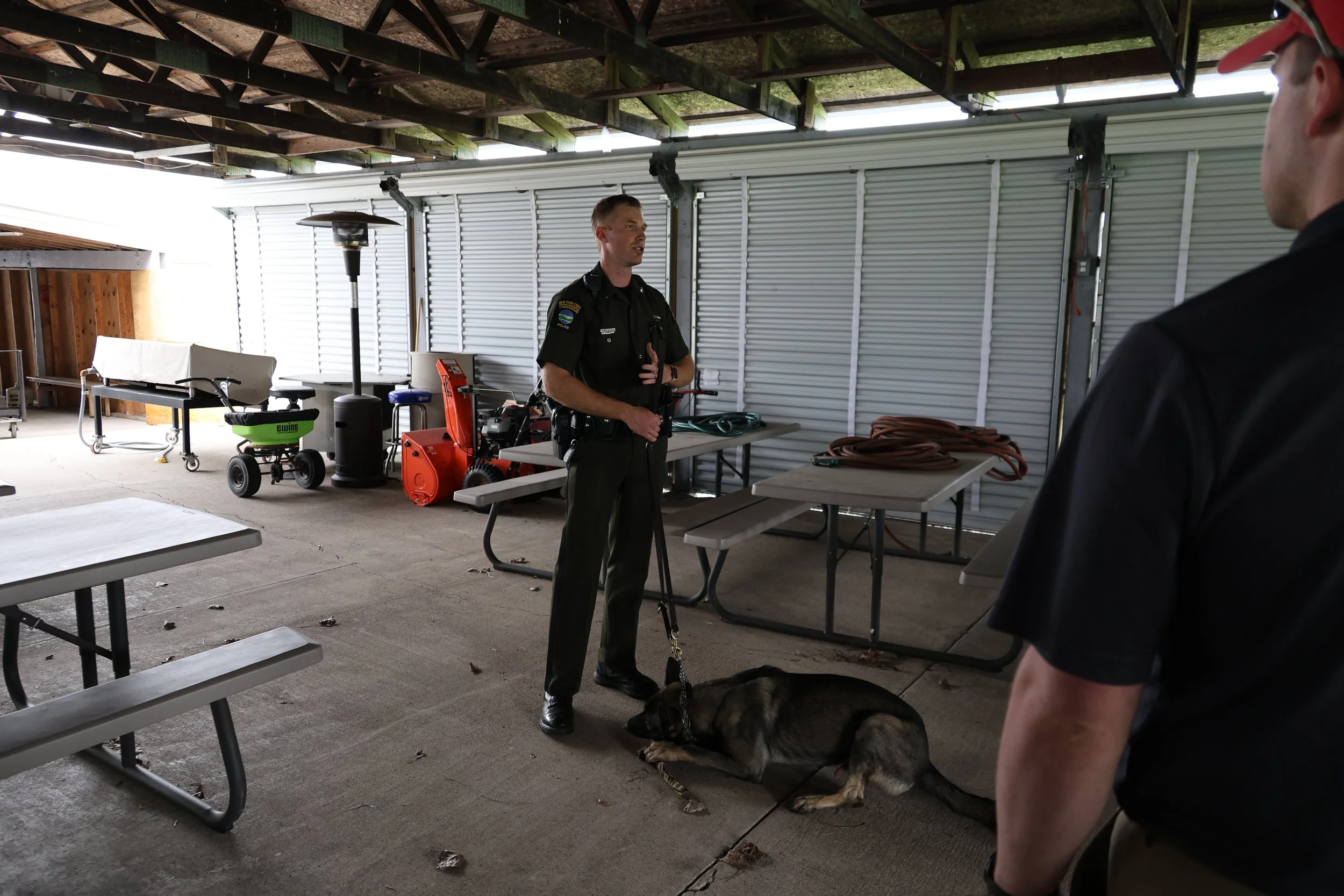
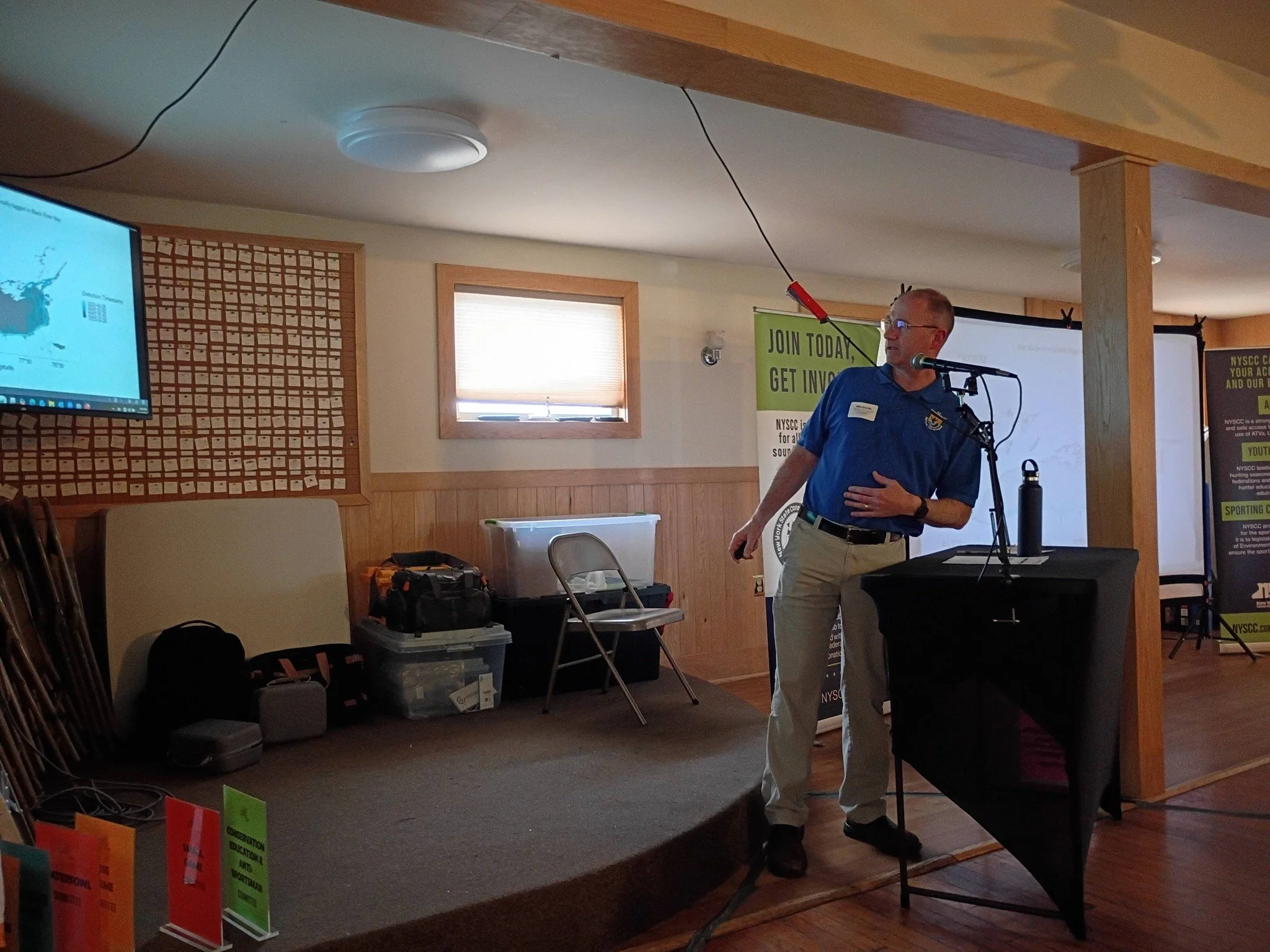
During the Saturday afternoon session, attention focused on regulatory, legislative, operational, and educational updates, highlighted by the Council’s unanimous passage of an emergency resolution opposing state forest legislation (S4408A/A10483A) due to concerns over vague language and potential impacts on public access and traditional outdoor activities. New York State Department of Environmental Conservation (DEC) officials presented proposed changes to increase antlerless deer harvest, including expanded DMP opportunities and an earn-a-second-buck program, with public comment open through mid-May, while law enforcement updates emphasized staffing shortage and the effectiveness of the K9 wildlife detection program. The session also featured a DEC K9 demonstration, formal committee reports reflecting strong engagement across 14 committees alongside ongoing leadership gaps, and a U.S. Fish and Wildlife Service presentation on fisheries and conservation programs. Additional highlights included regional DEC updates such as the acquisition of Camp Babcock-Hovey and a student-led presentation on a bear harvest experience that underscored mentorship, recruitment of new hunters, and the importance of public perception. Broader discussions reinforced the need for continued outreach and engagement to sustain hunting and conservation efforts, with the day concluding in a dinner that supported networking and collaboration among attendees.
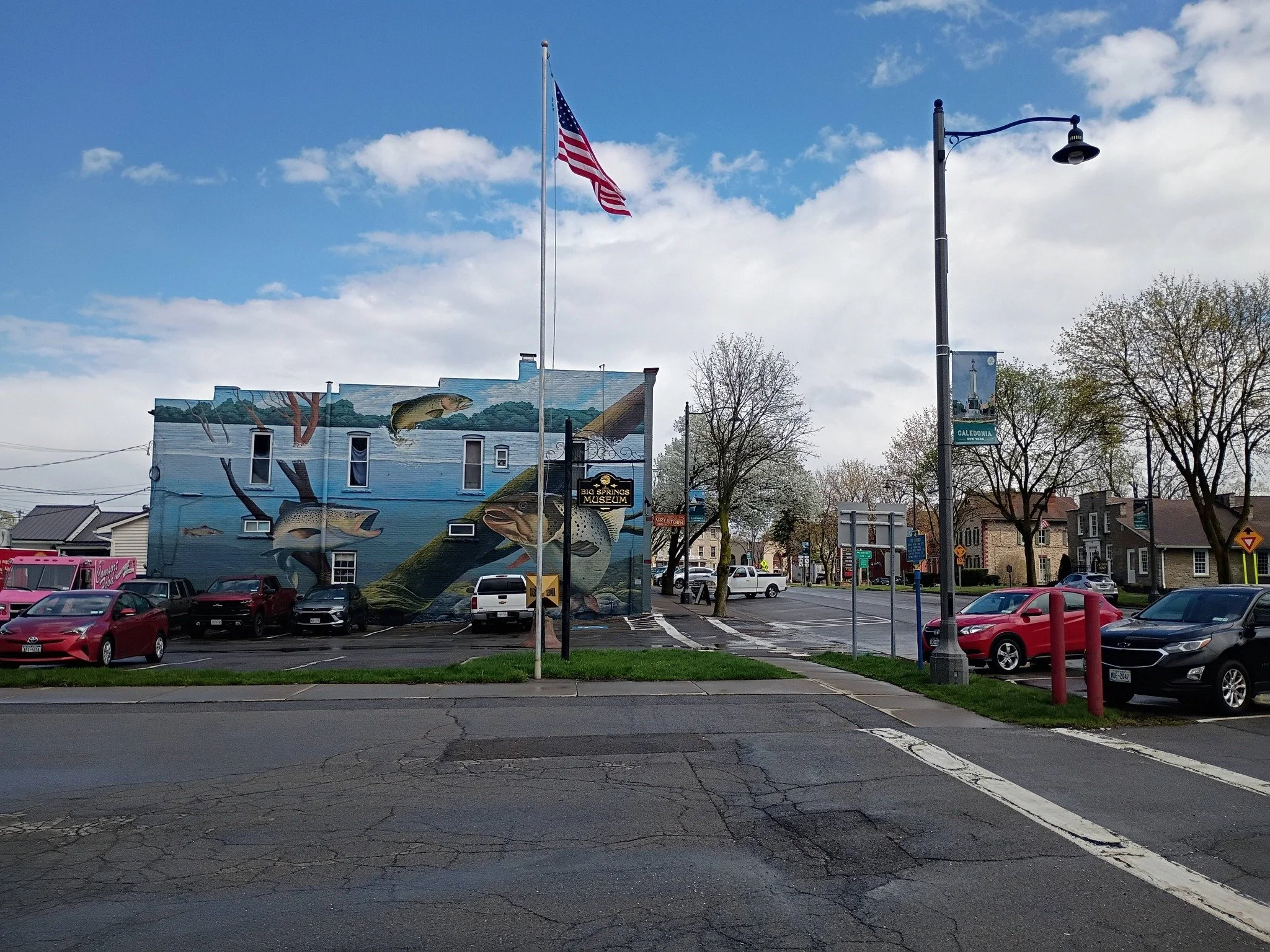
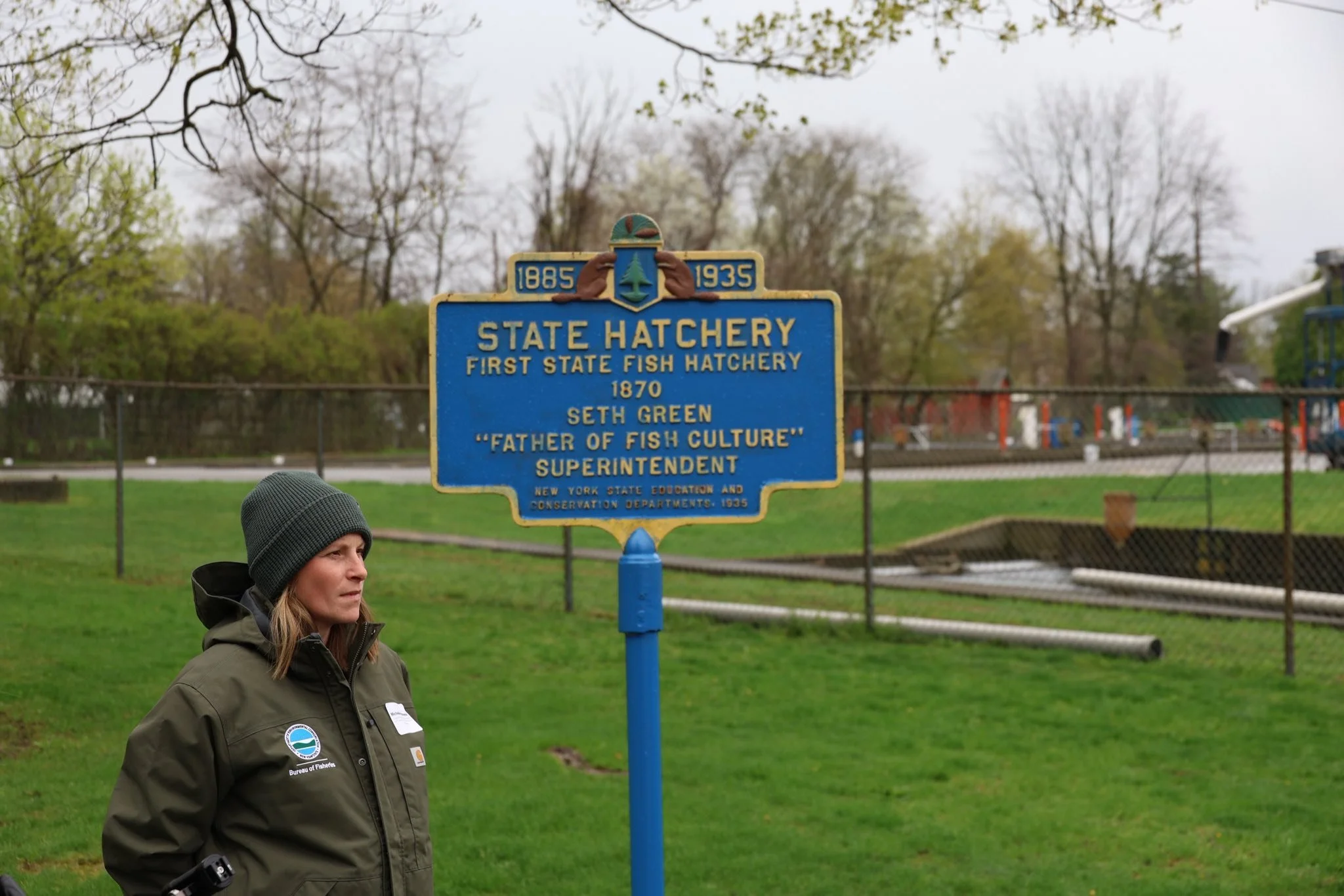
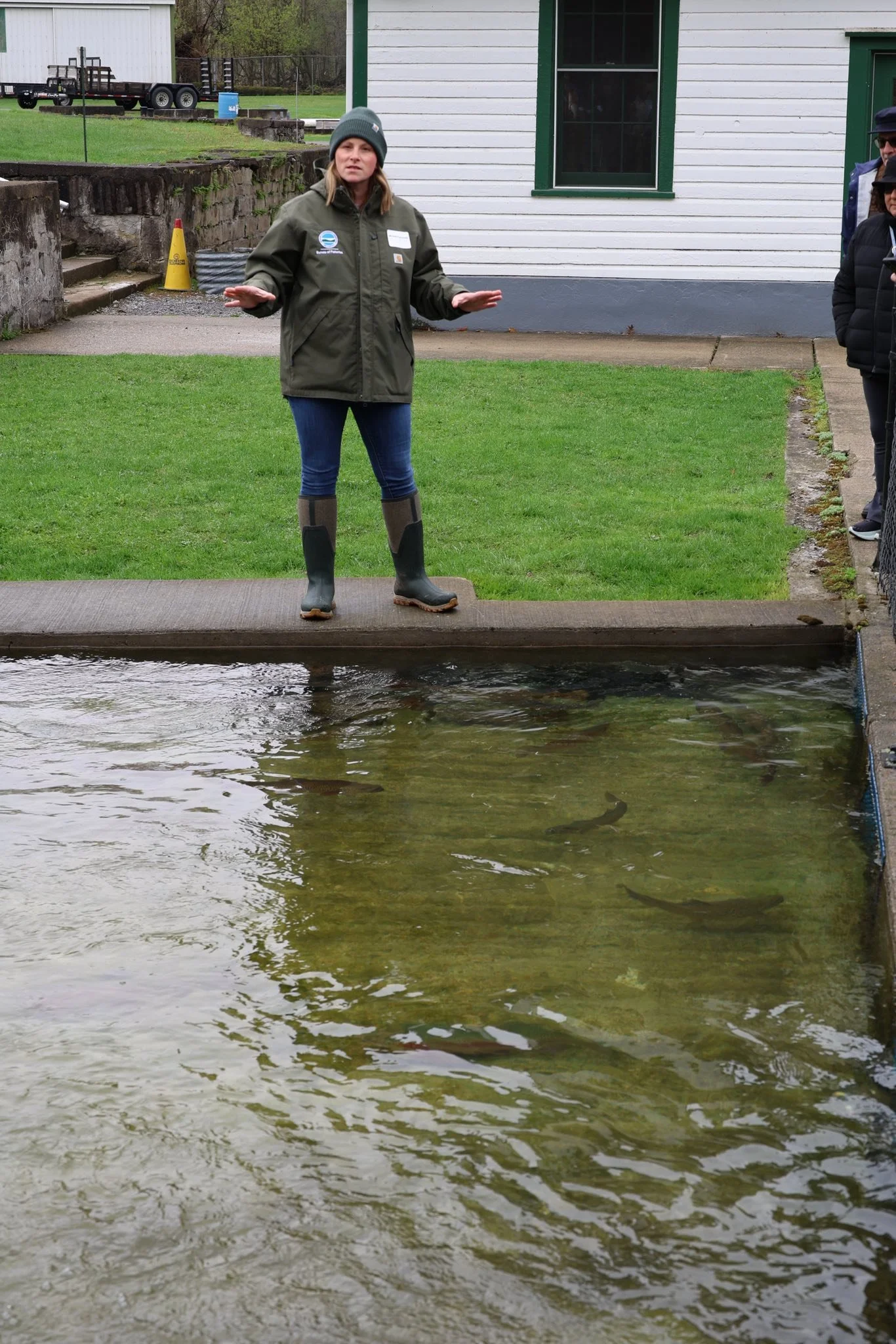
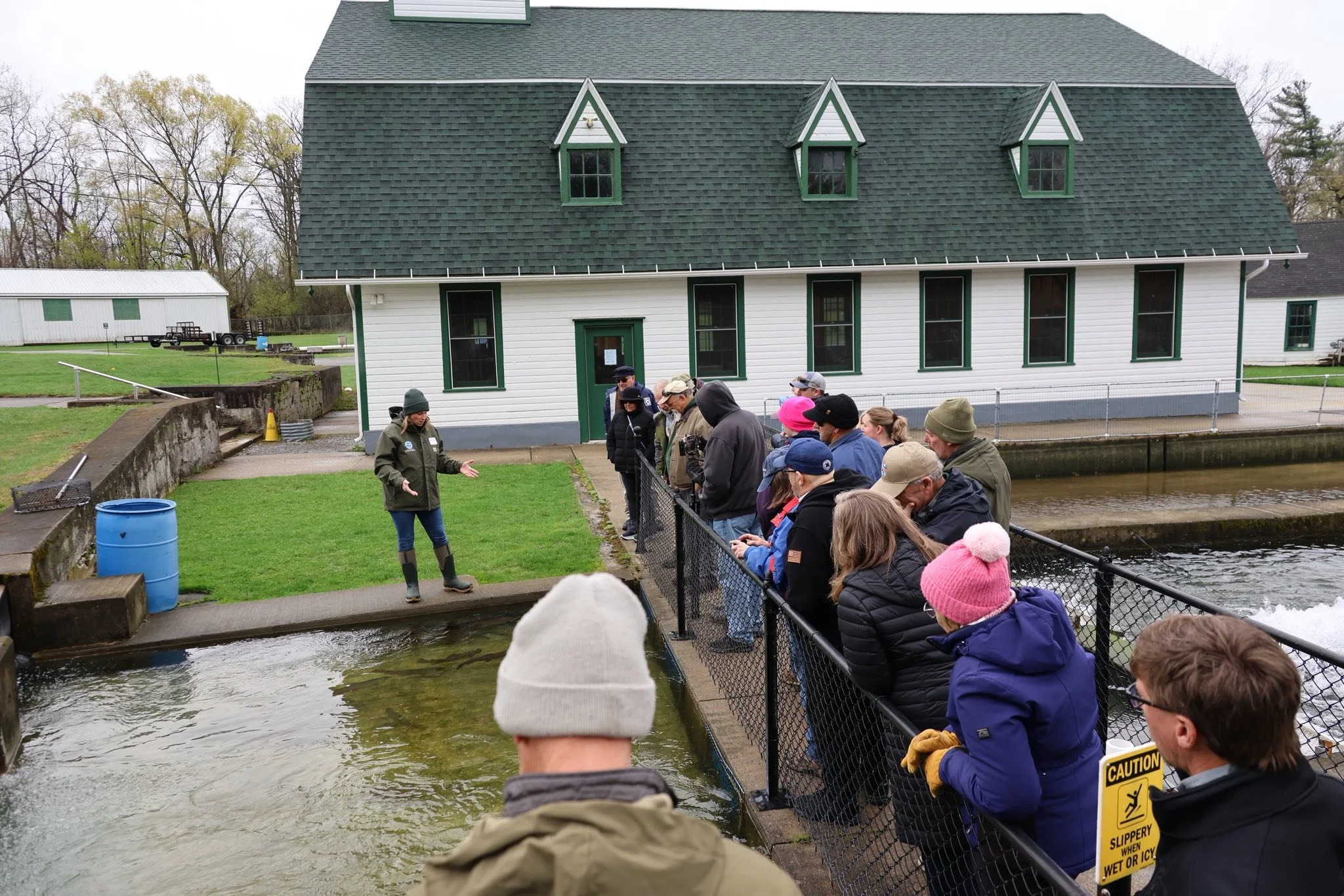
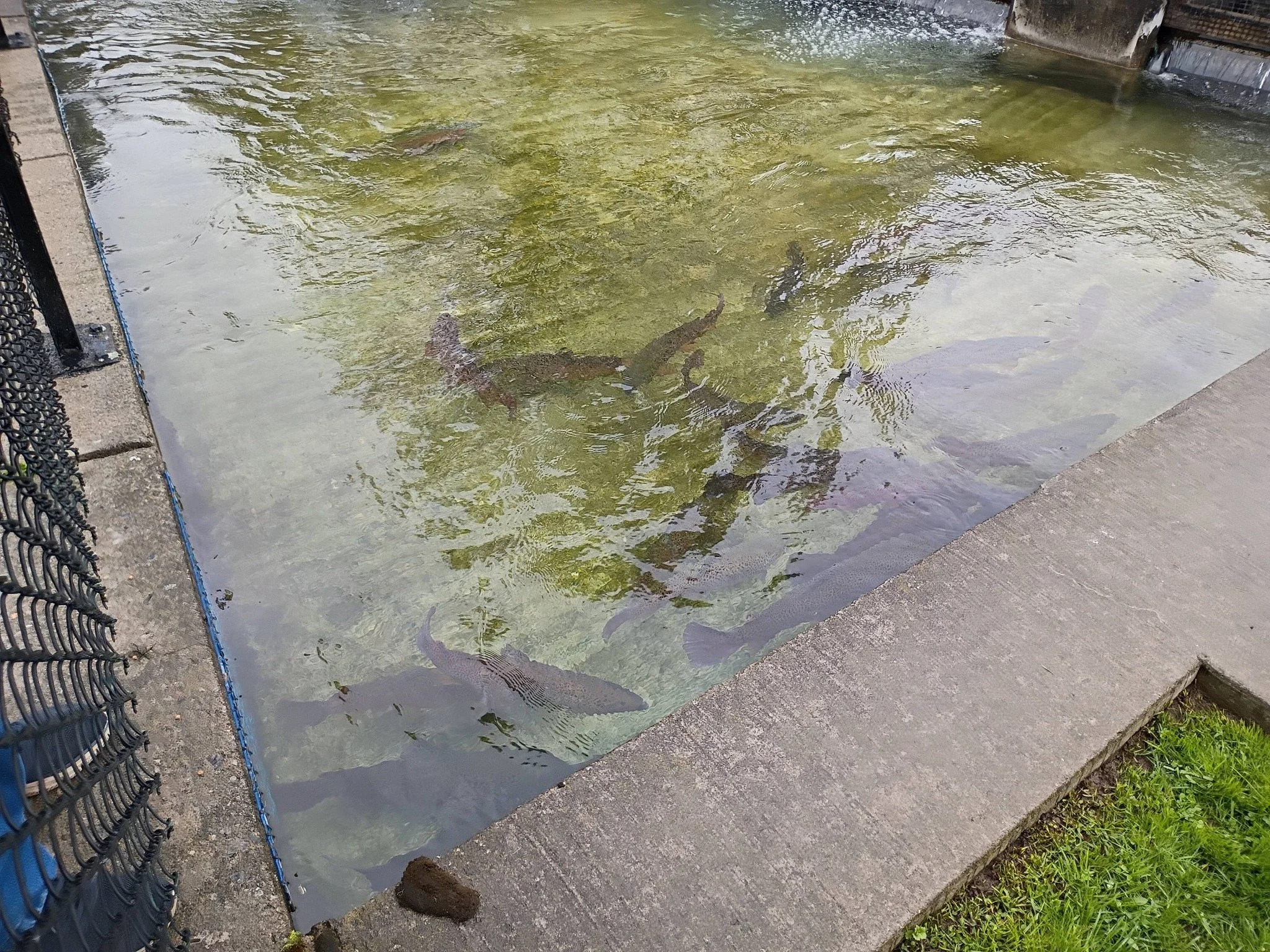
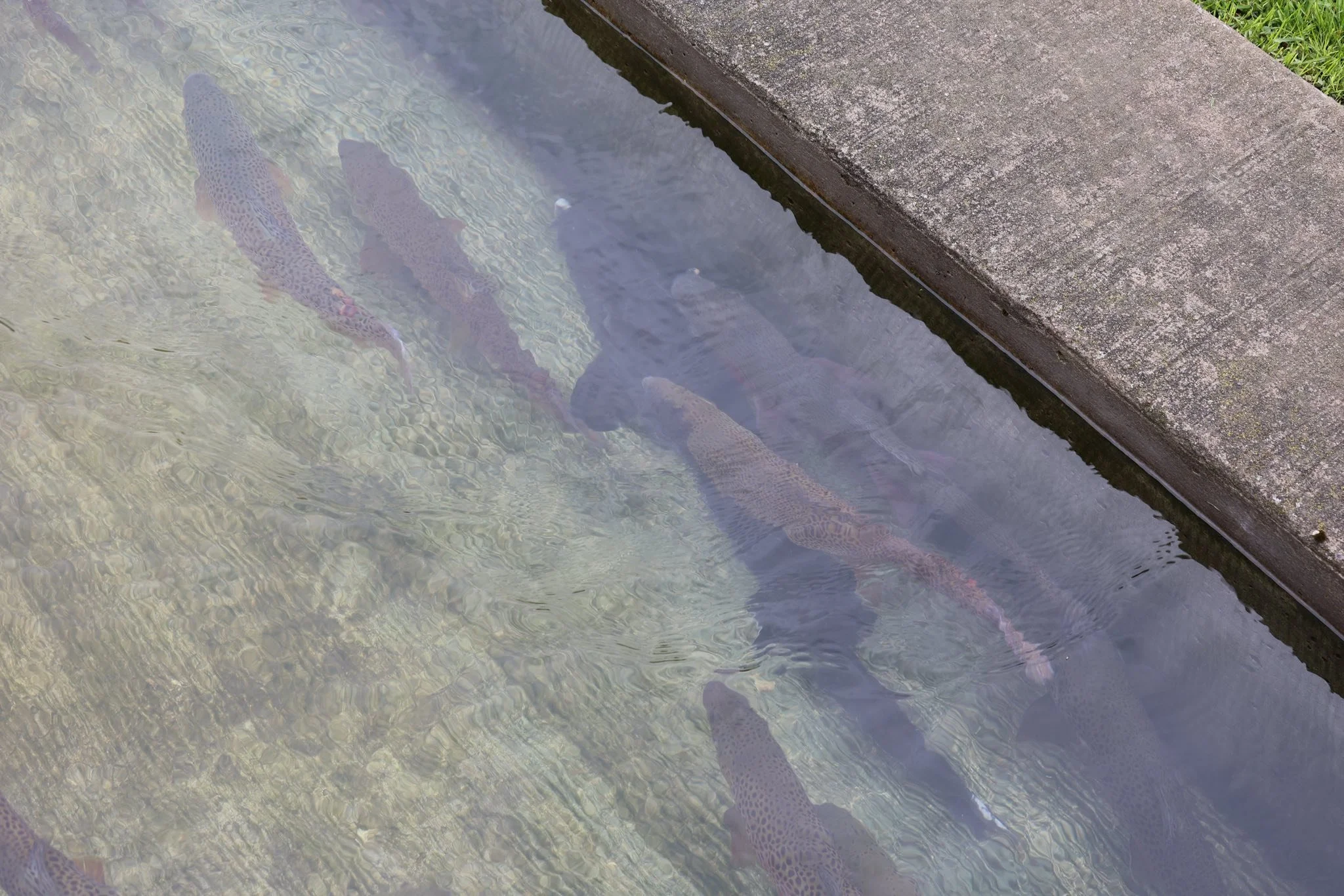
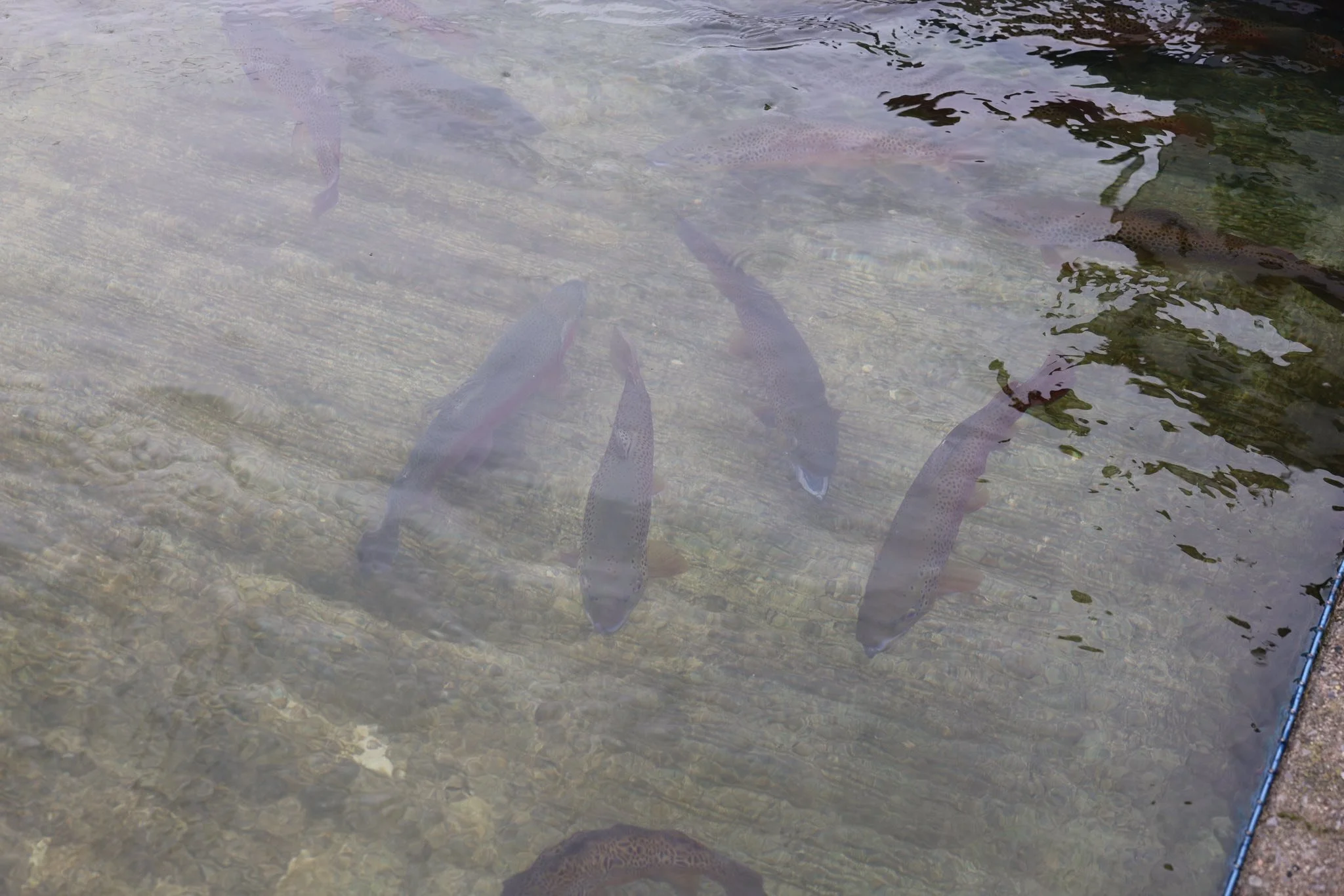
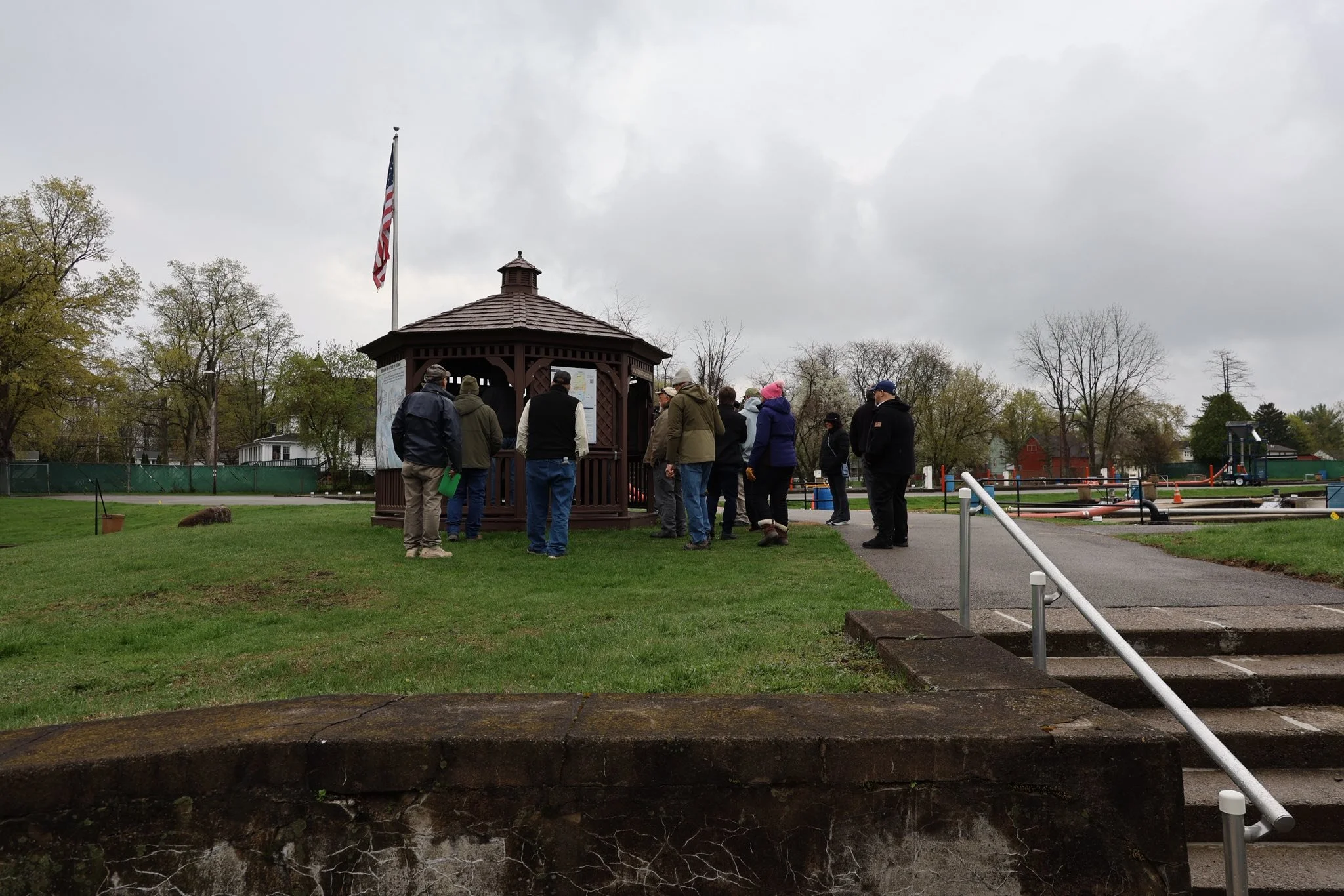
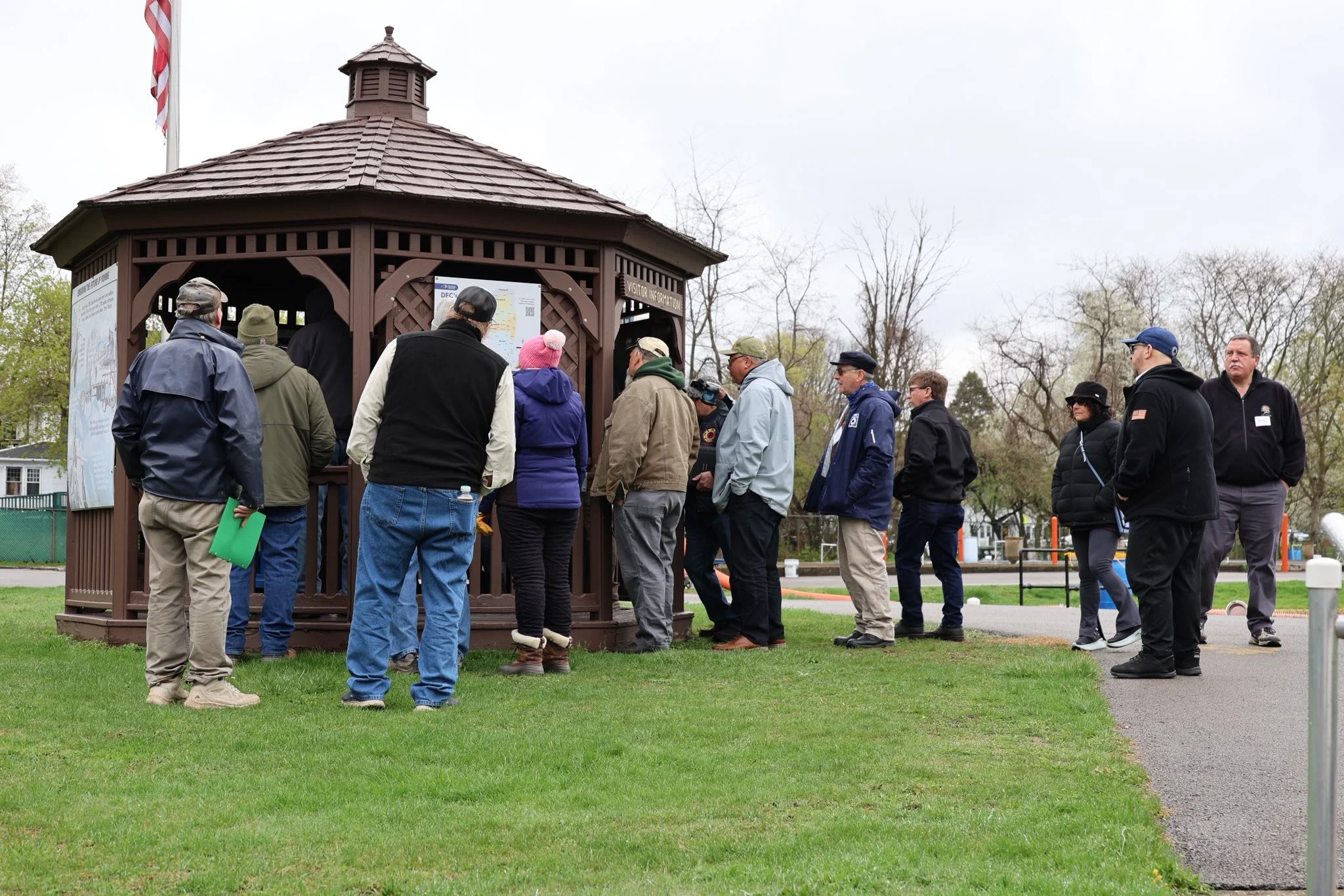
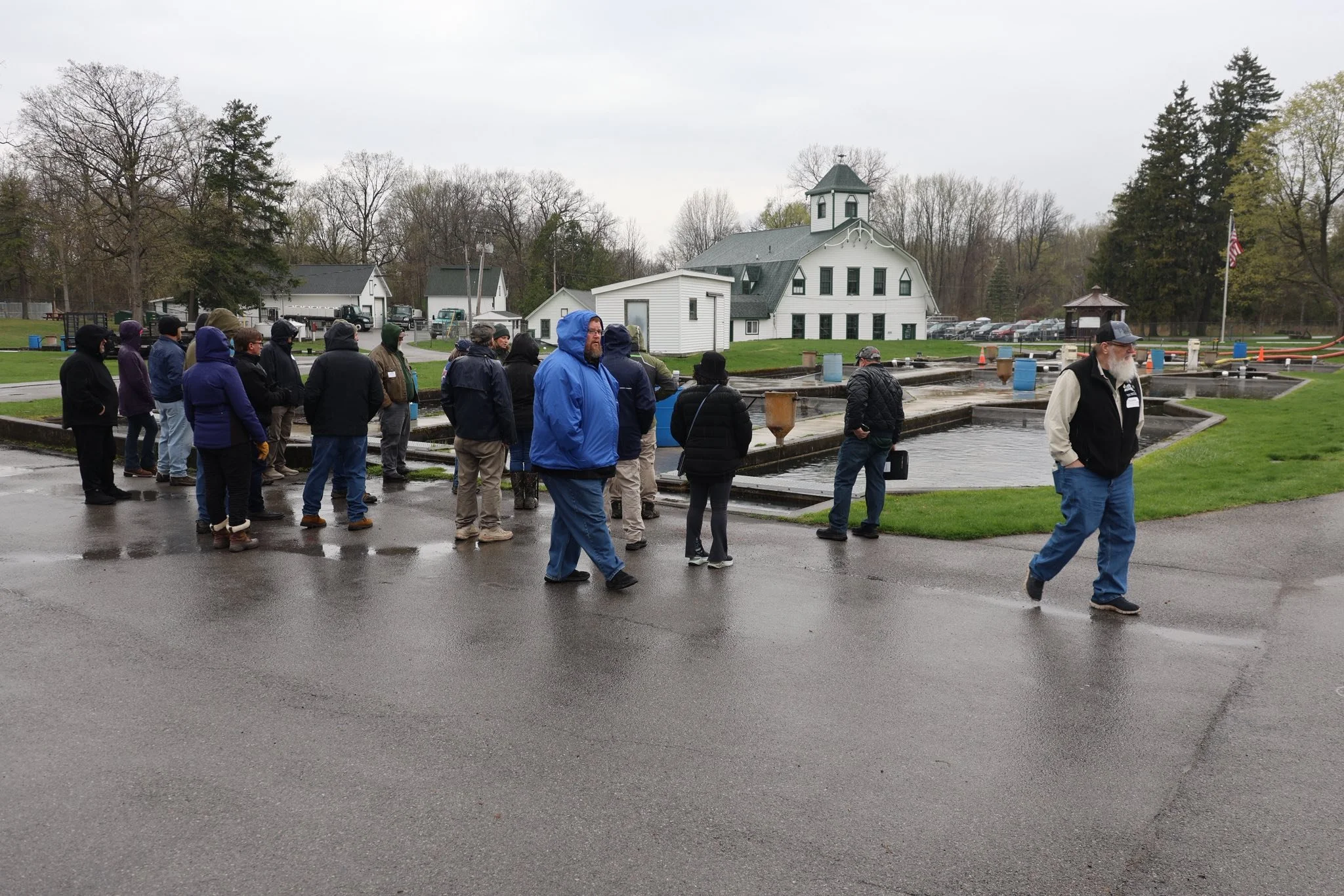
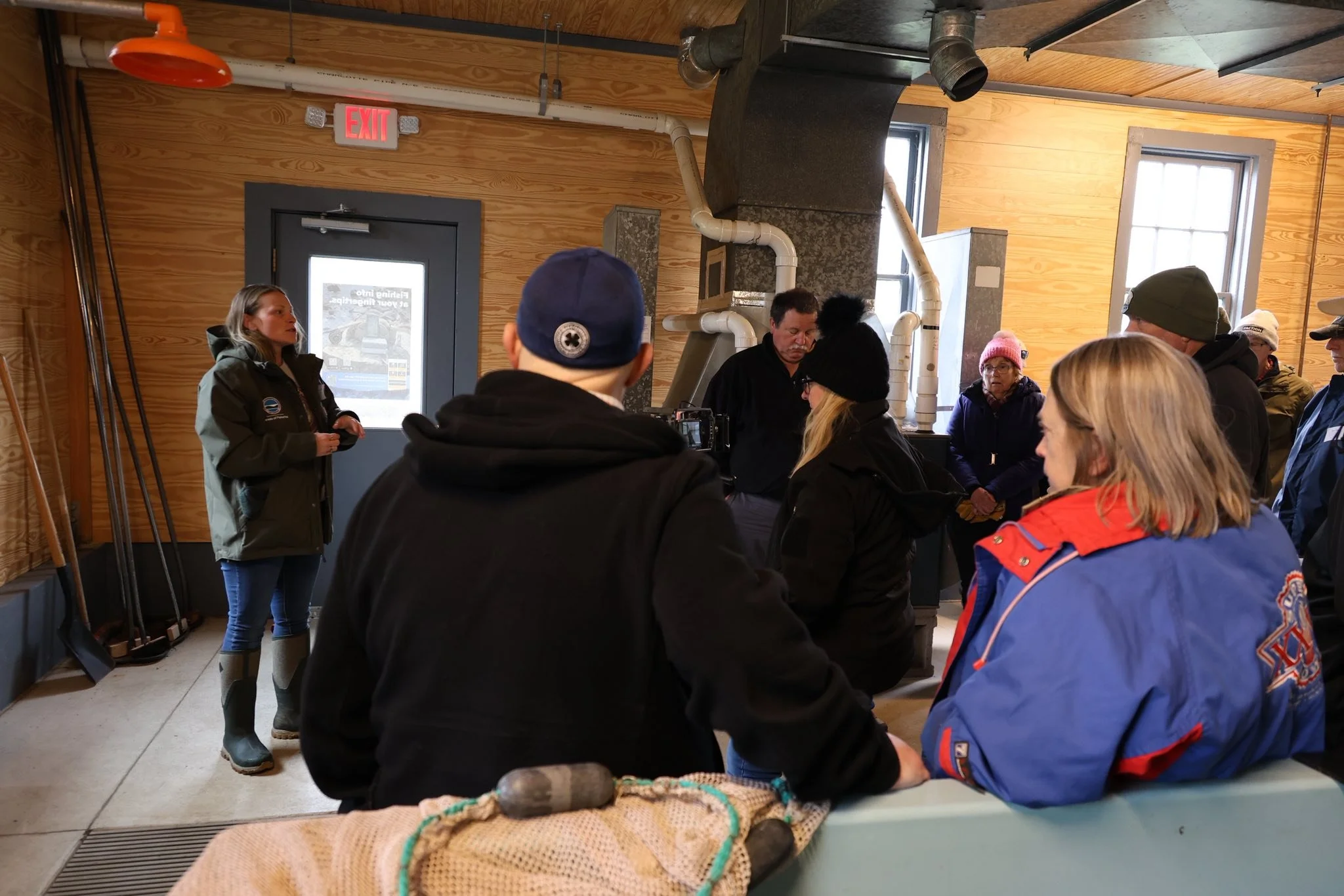
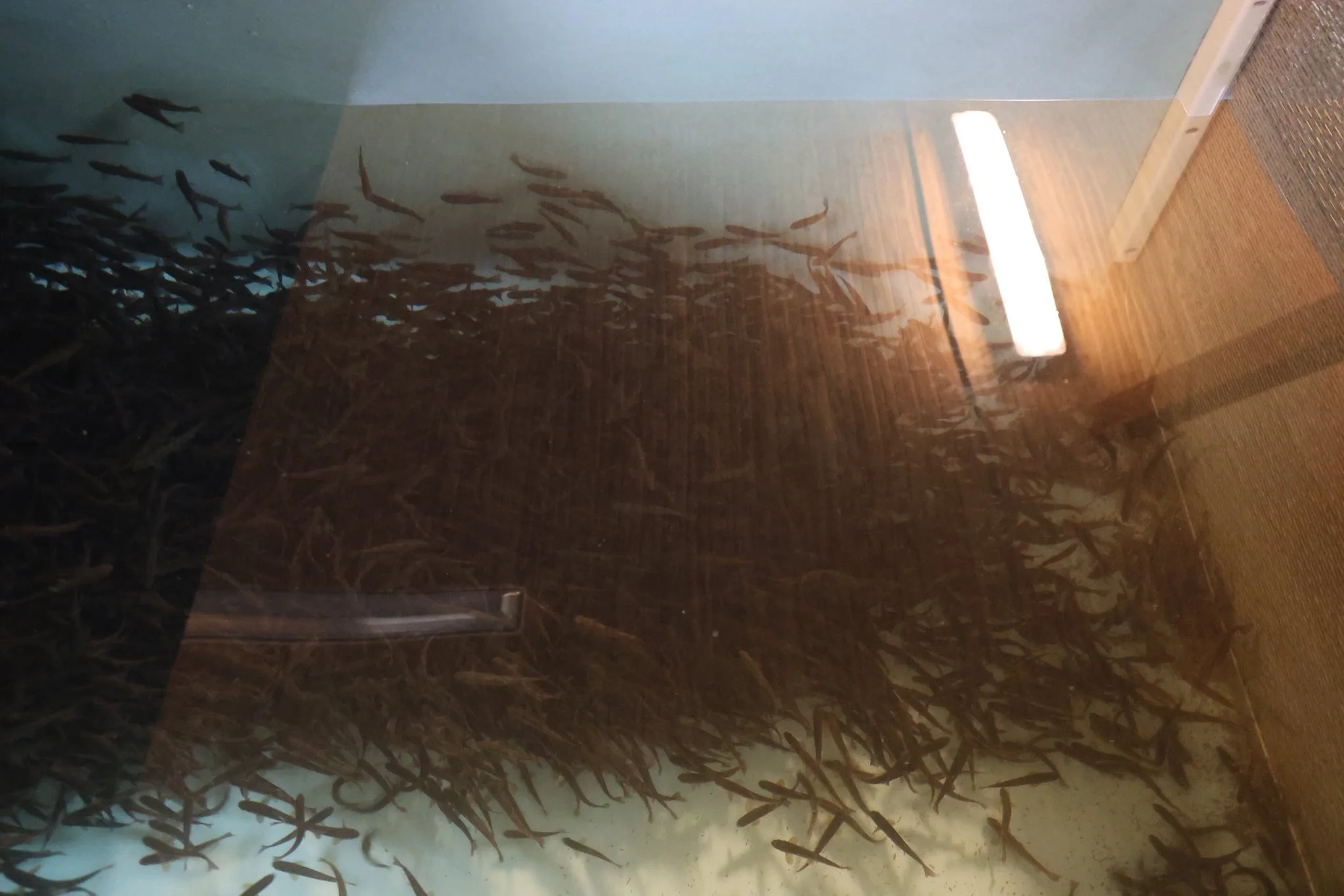
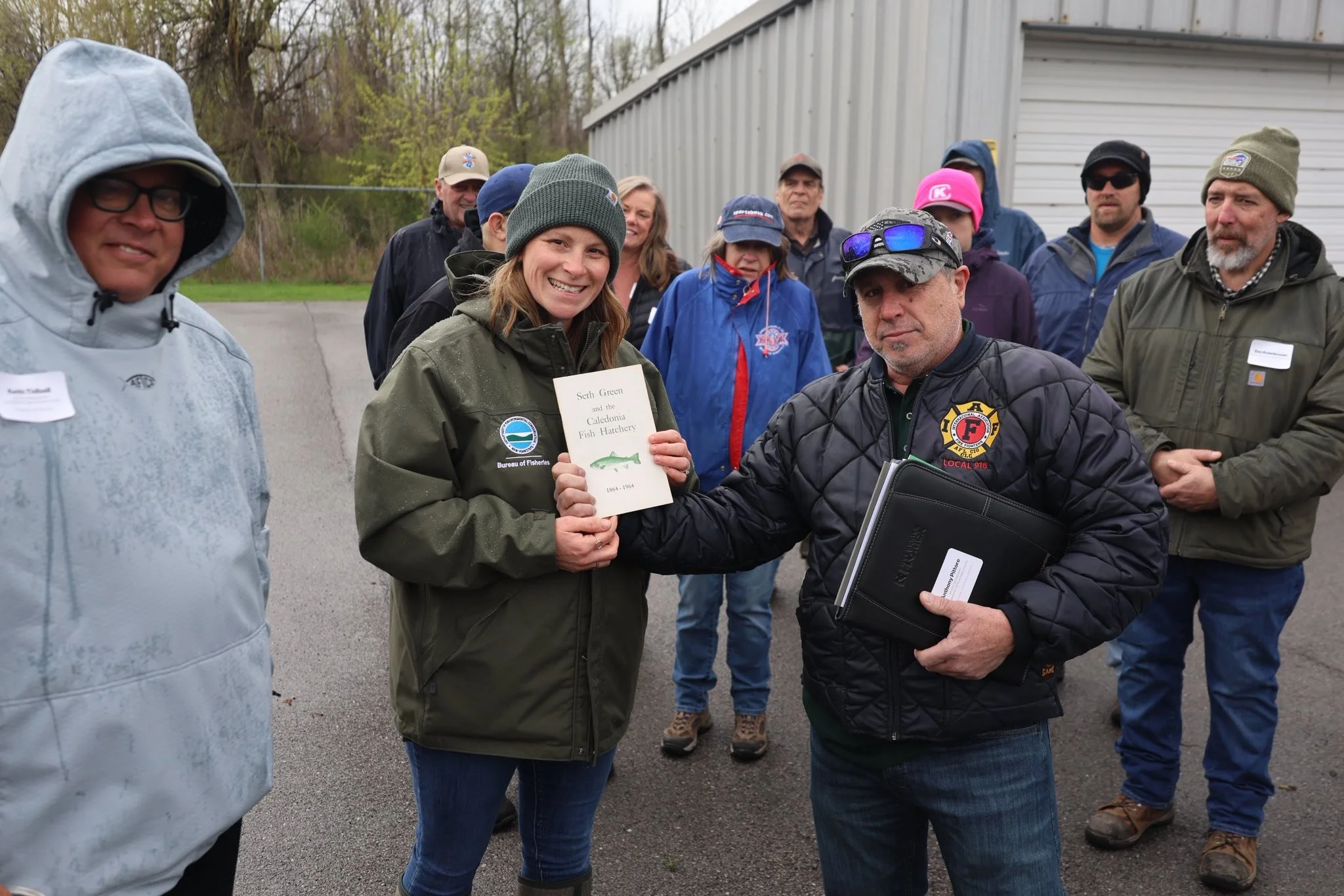
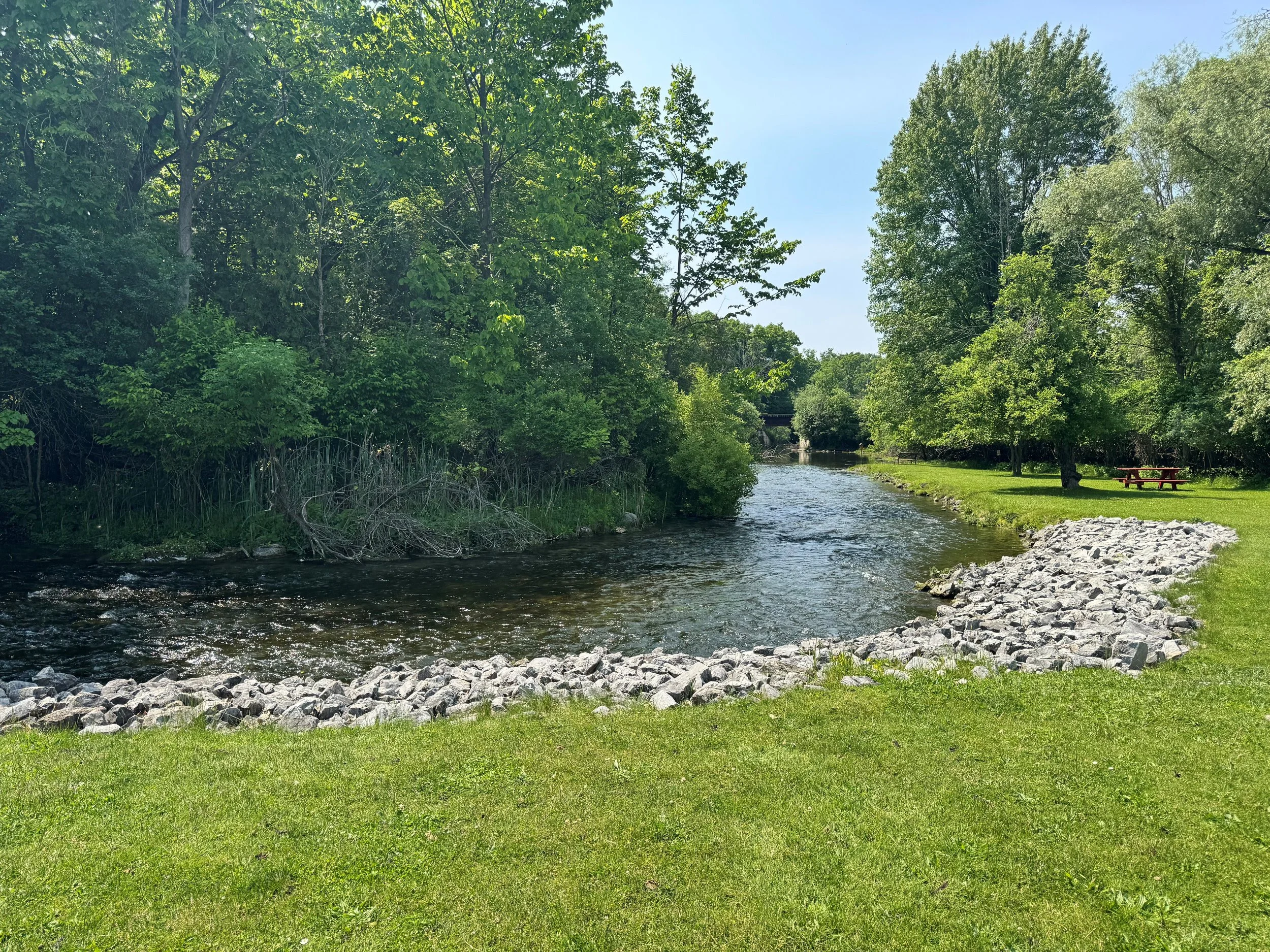
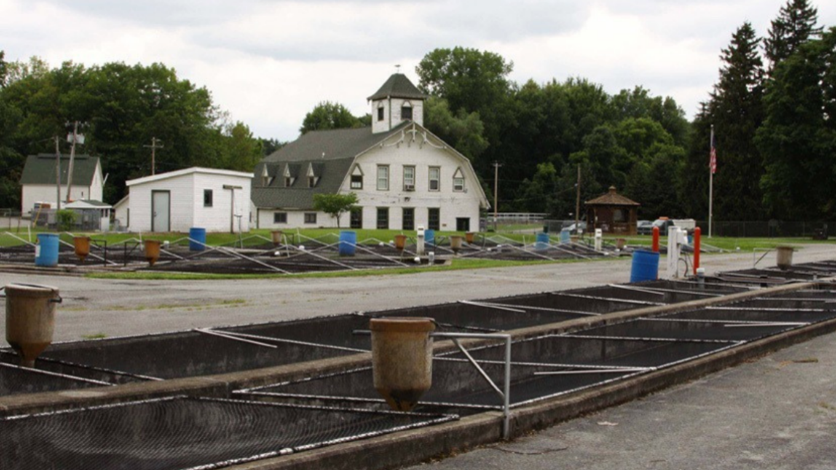
Sunday’s agenda shifted to a field-focused and educational format beginning with breakfast at the Big Springs Museum and Caledonia Fish Hatchery. The morning included a recap of Saturday’s proceedings followed by a guided tour of the hatchery, offering detailed insight into New York’s fish culture system. Presentations highlighted the facility’s historic significance as the oldest fish hatchery in North America and its role in statewide stocking operations, while also addressing operational challenges such as sediment-heavy water supply, oxygen management, aging infrastructure, and staffing shortages. Planned improvements supported by Bond Act funding were also discussed. Additional optional activities—including observing the Leroy Jr./Sr. High School trap team, stream fishing on Oatka Creek, and visiting the museum—provided hands-on engagement opportunities that reinforced the Council’s commitment to education, youth involvement, and conservation in practice.
Across all sessions, several consistent themes emerged: the need for sustained, coordinated advocacy—particularly around the constitutional amendment effort; the critical role of the resolution process in shaping Council positions and influencing policy; ongoing challenges related to staffing, hunter recruitment, and land access; and the importance of clear, consistent communication with both members and the public. The strong attendance and active participation throughout the weekend underscored a unified commitment to advancing conservation policy, protecting outdoor traditions, and strengthening the long-term impact of the Council’s work across New York State.
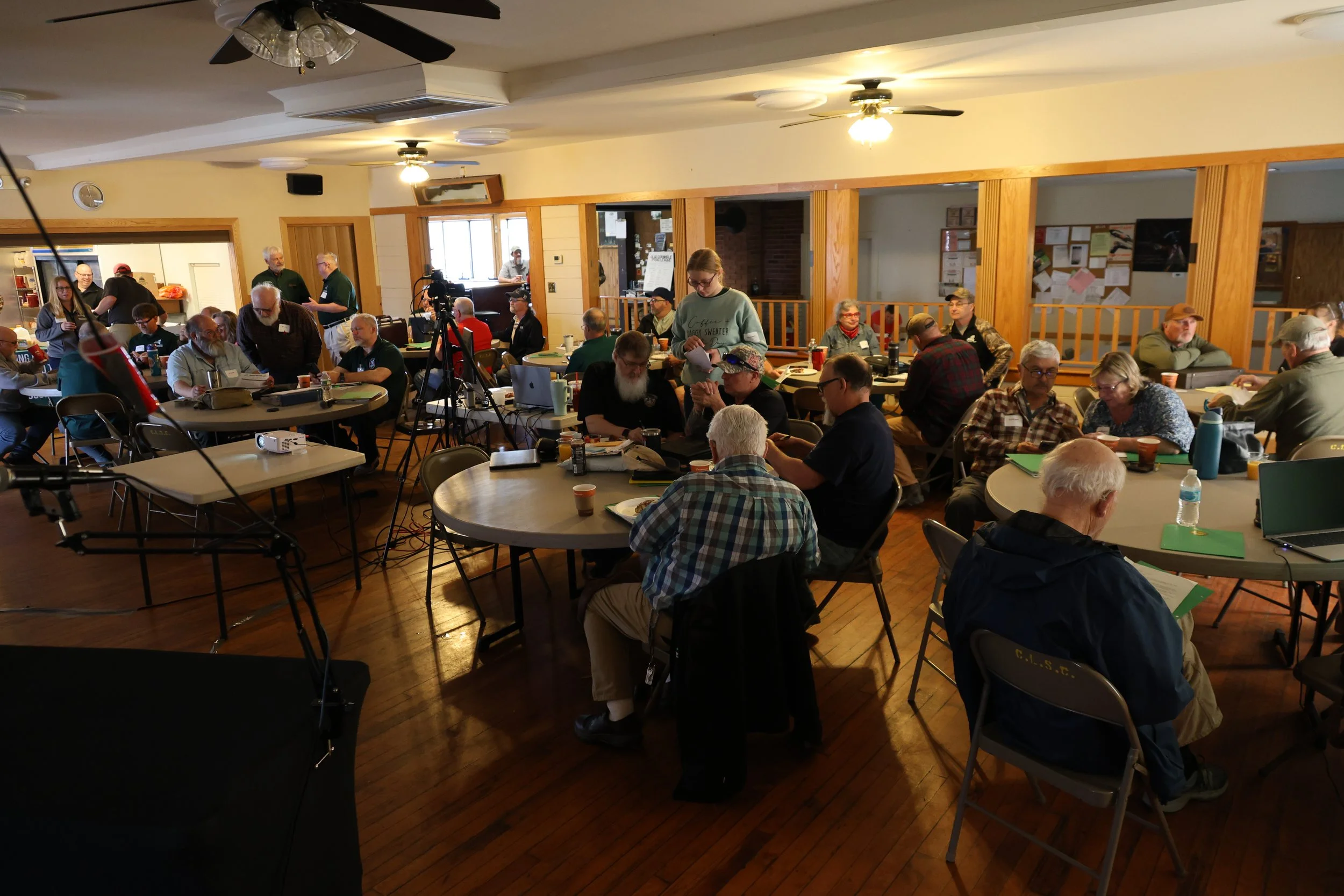
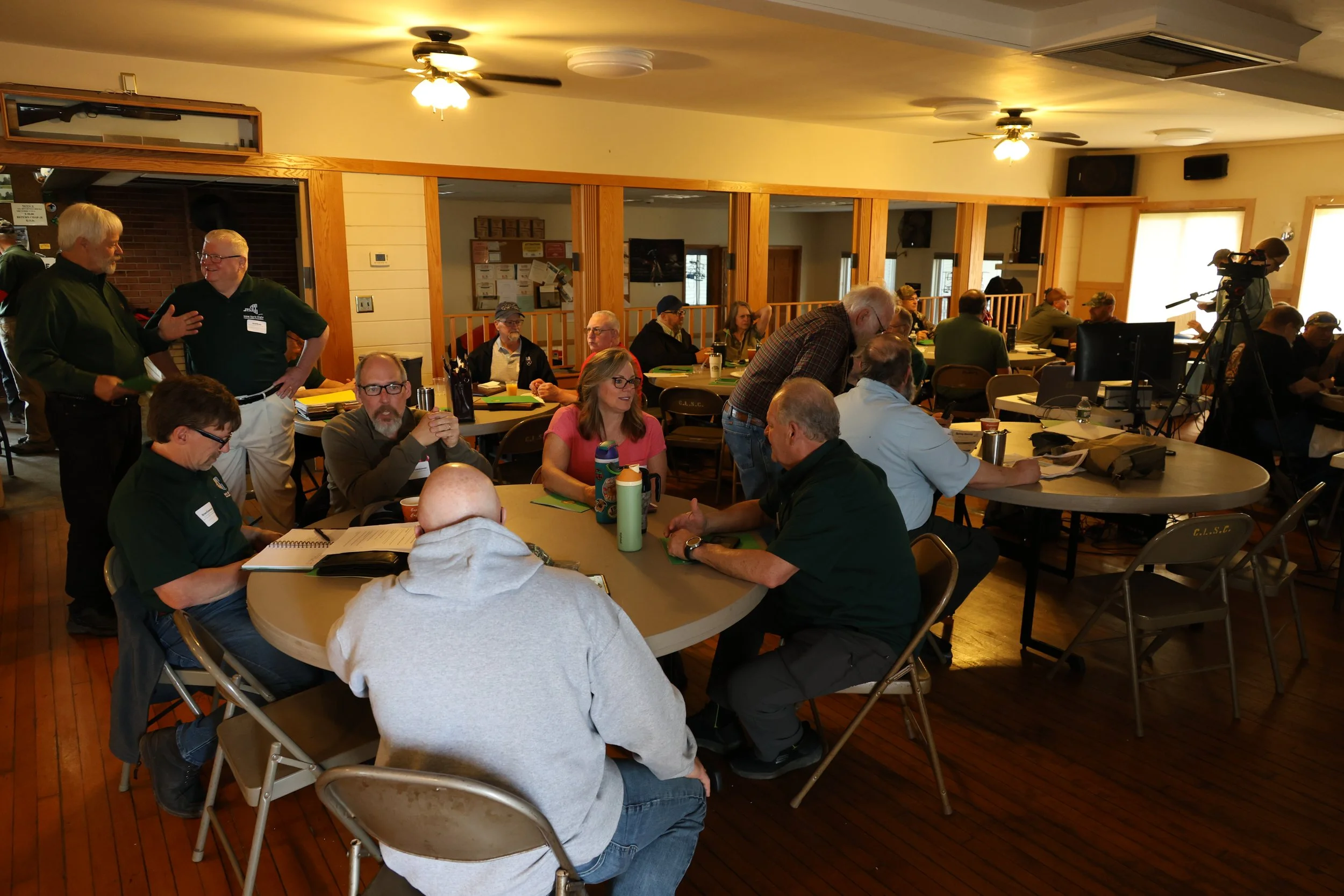
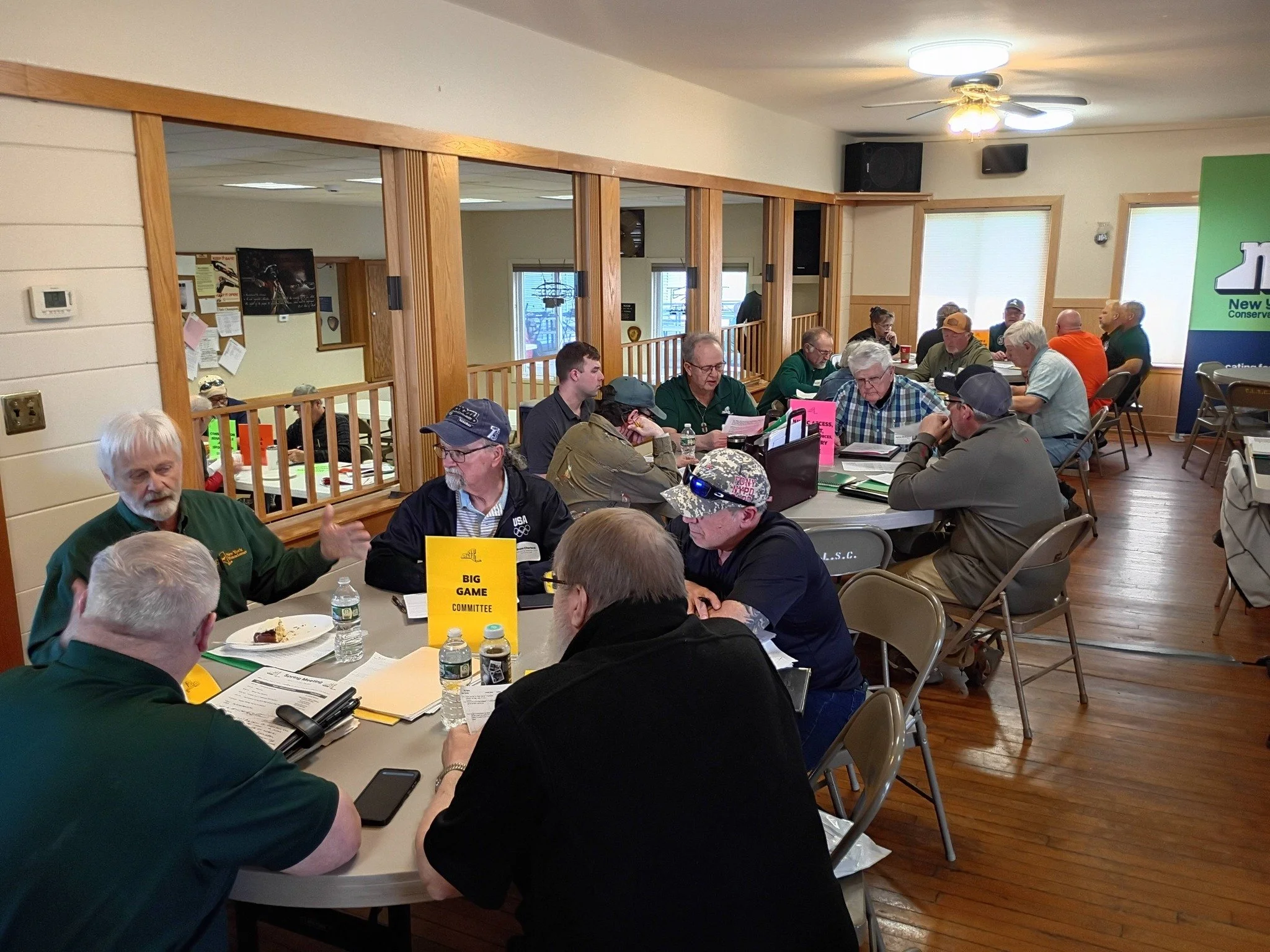
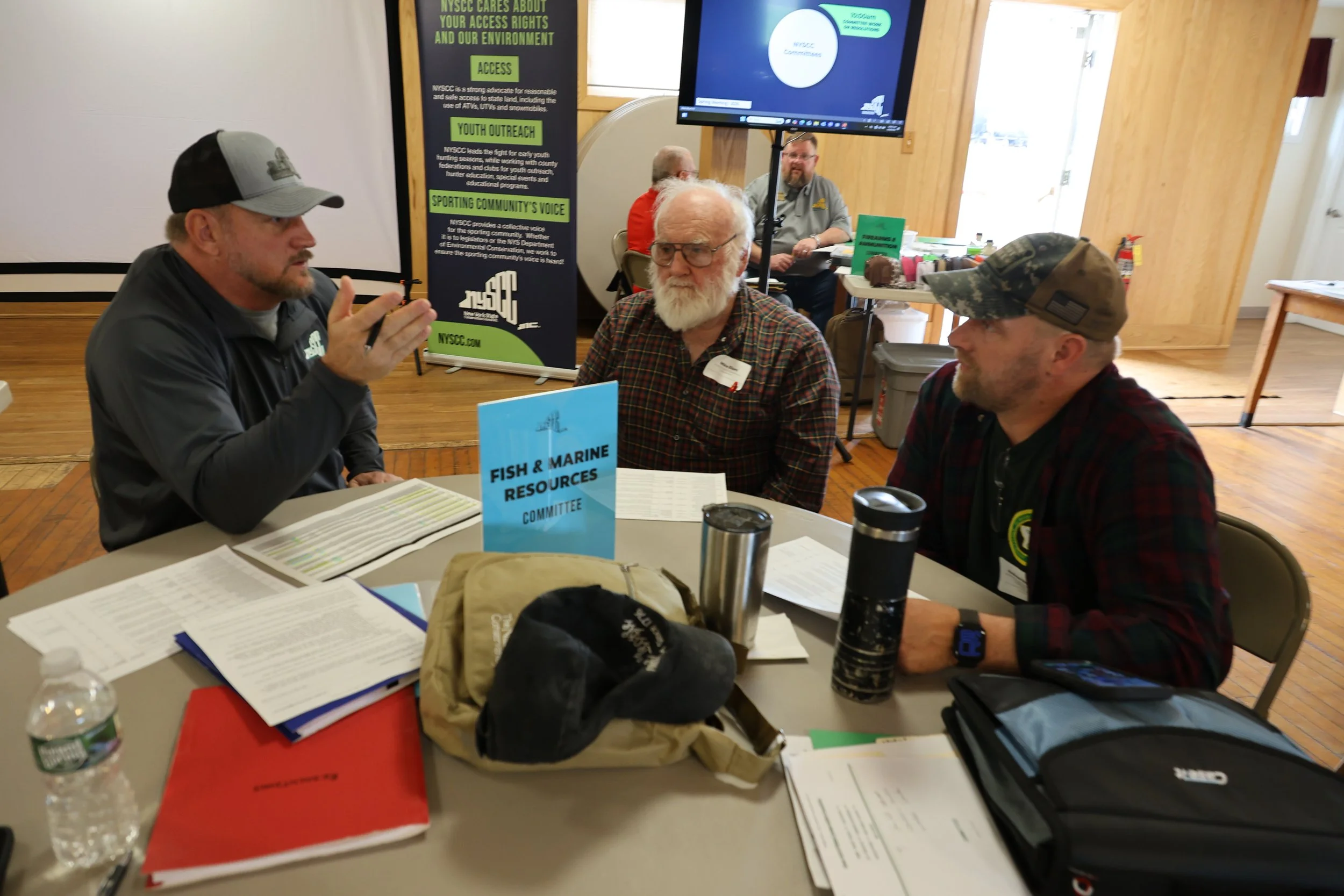
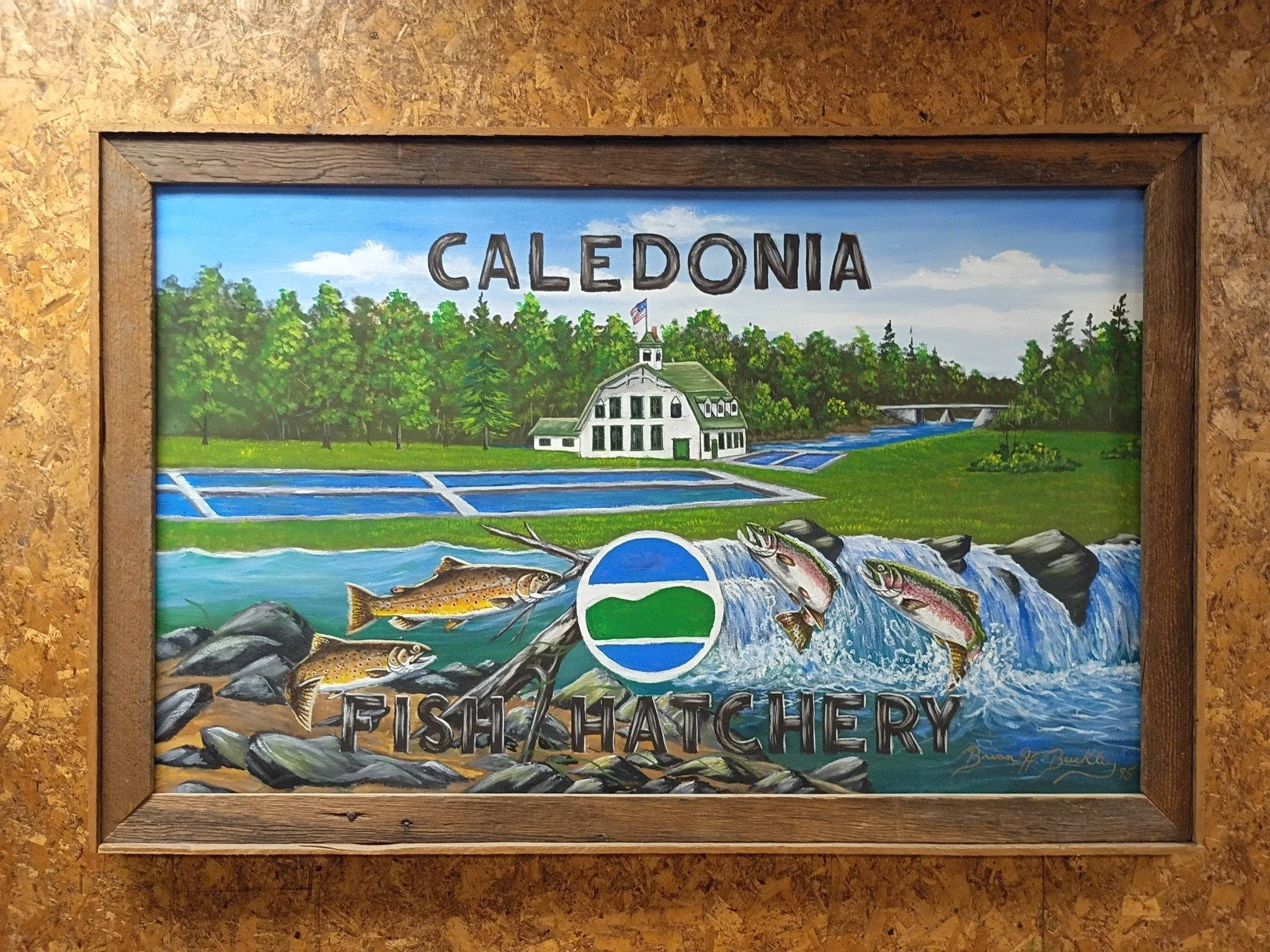
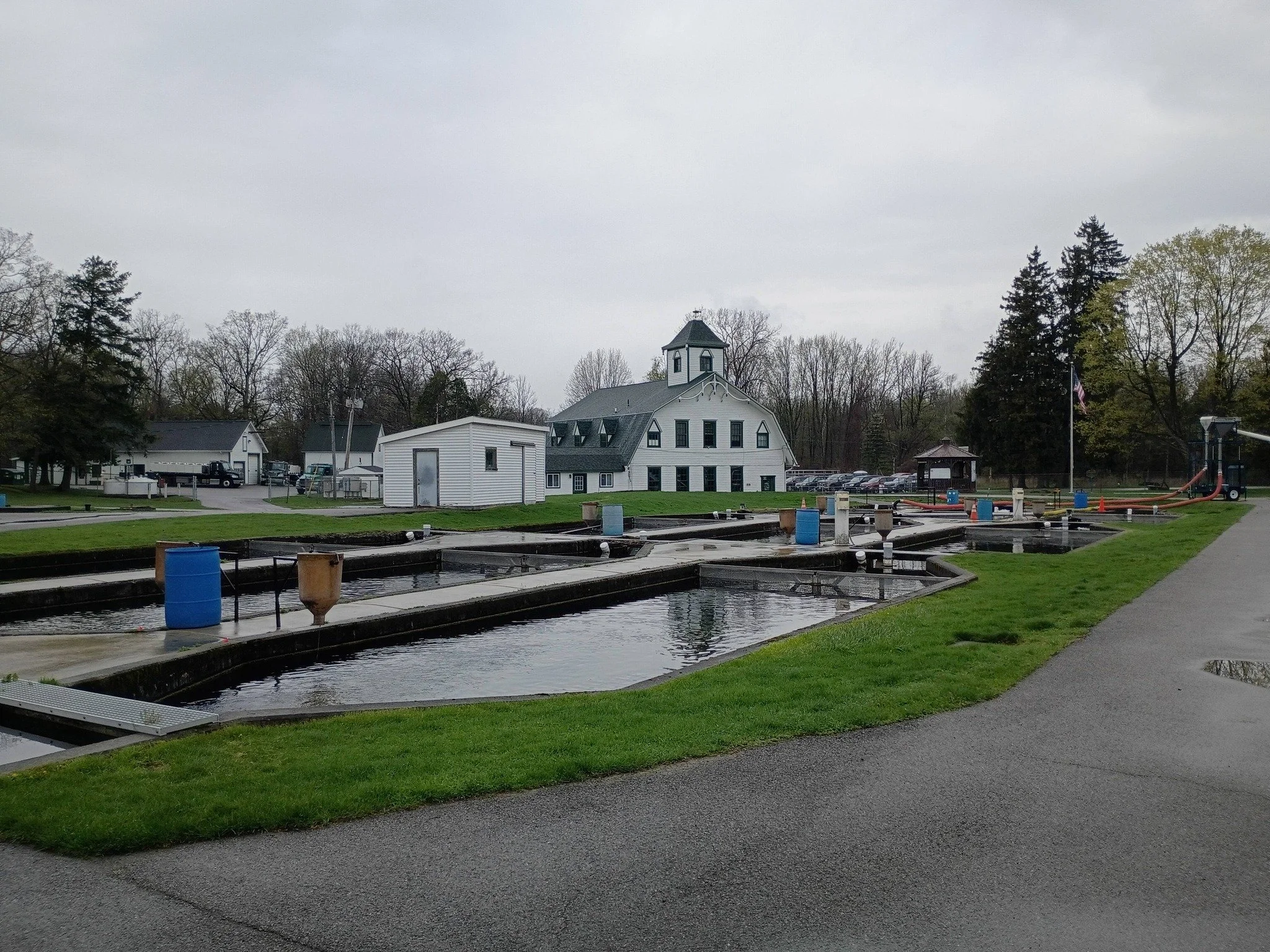
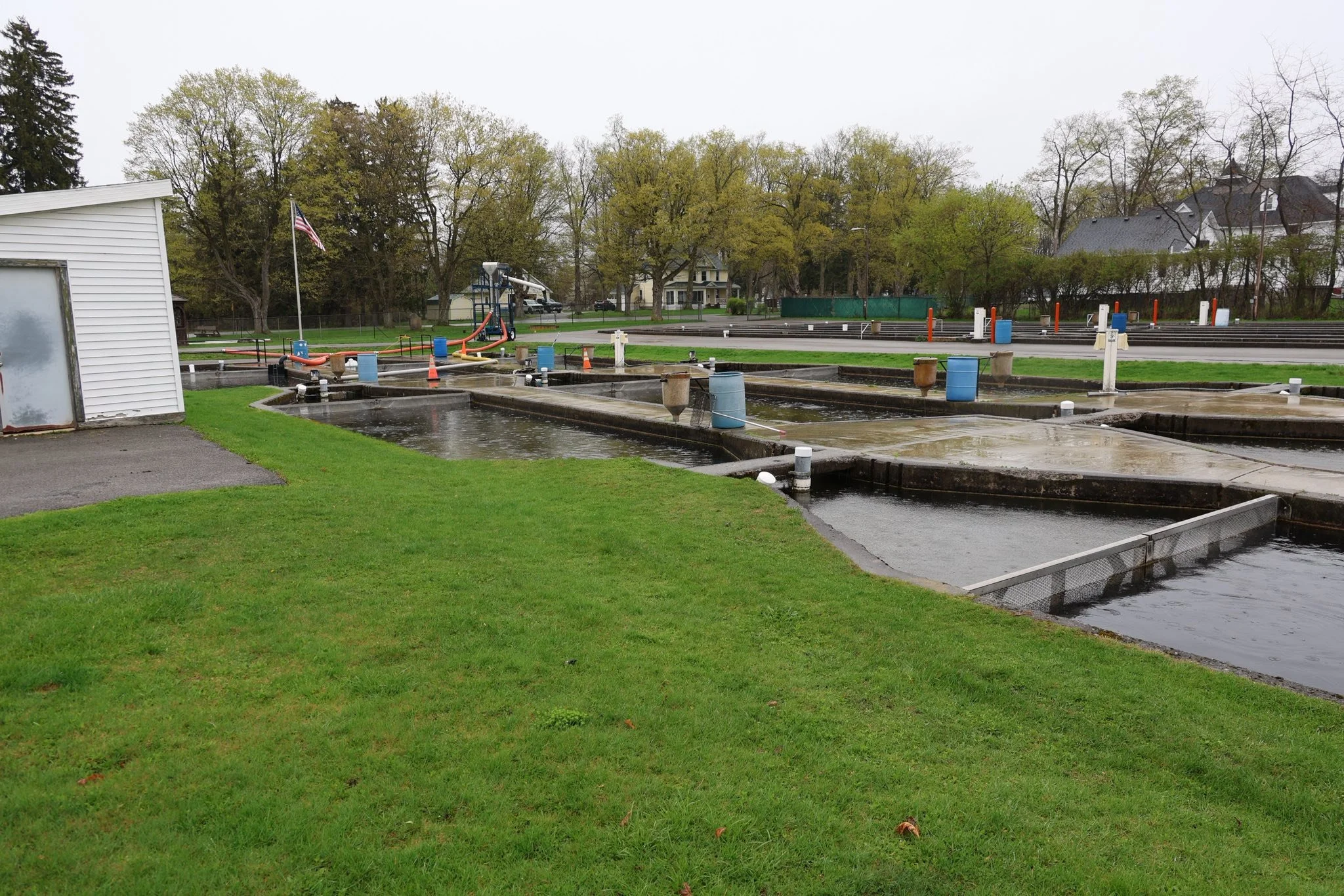
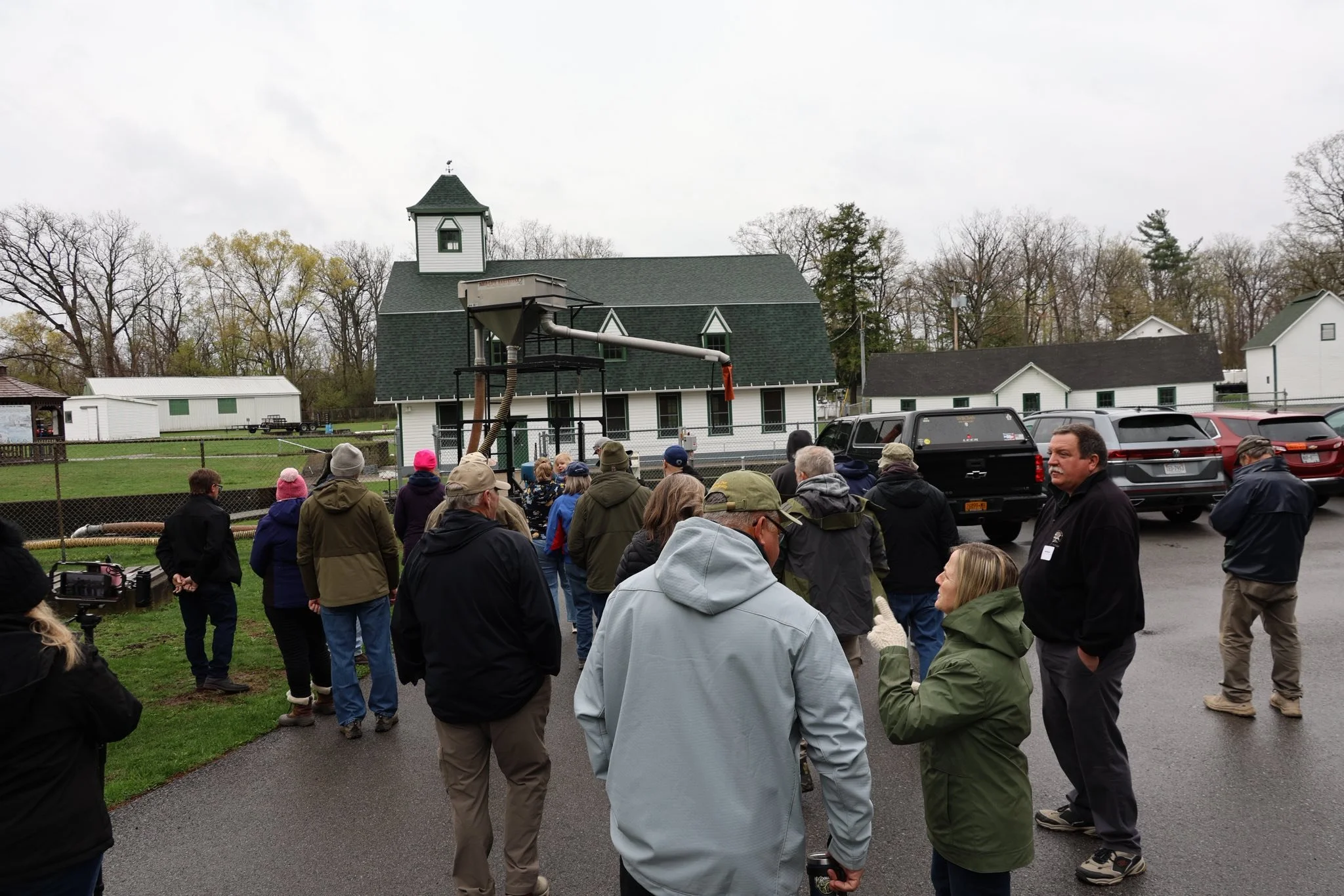
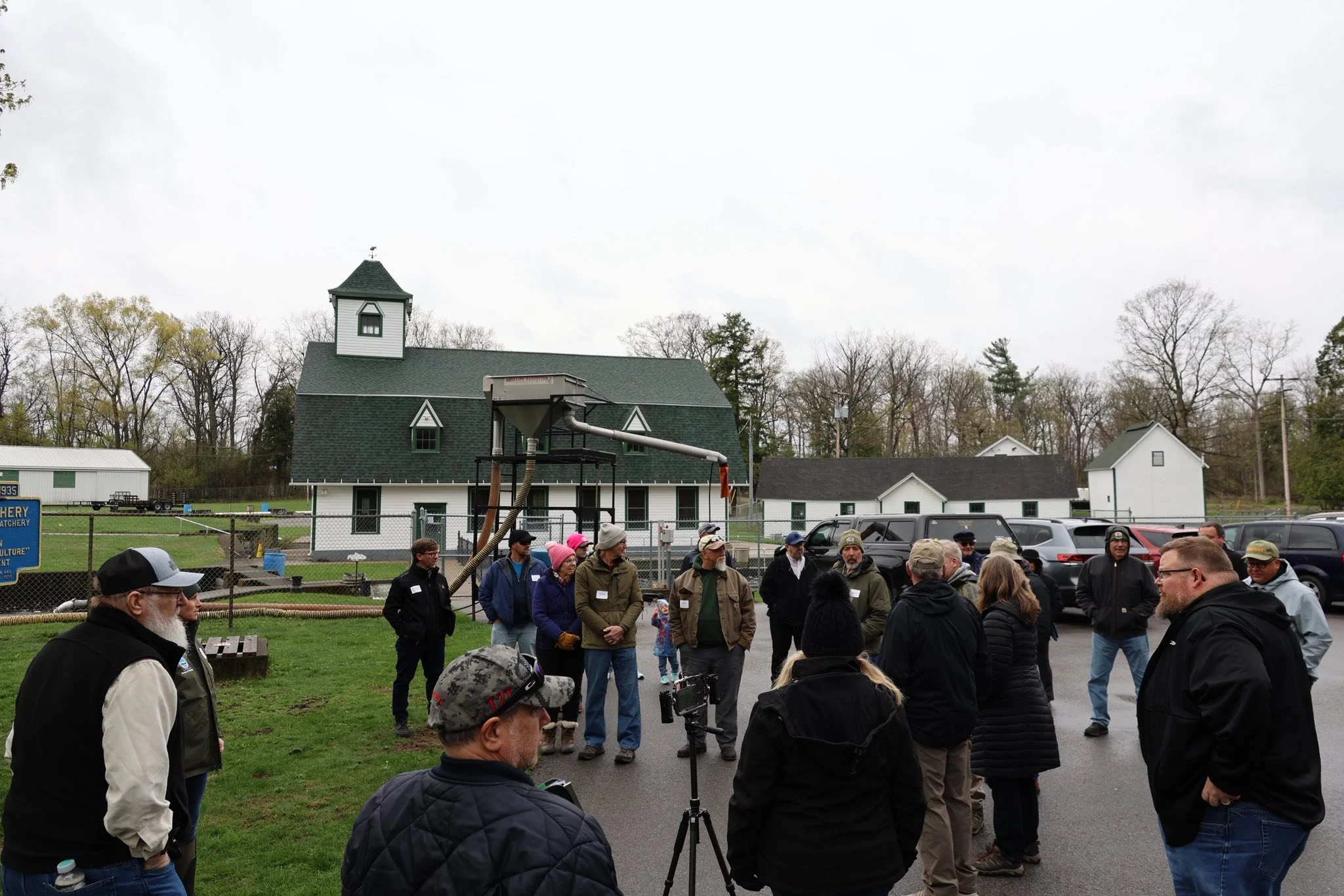
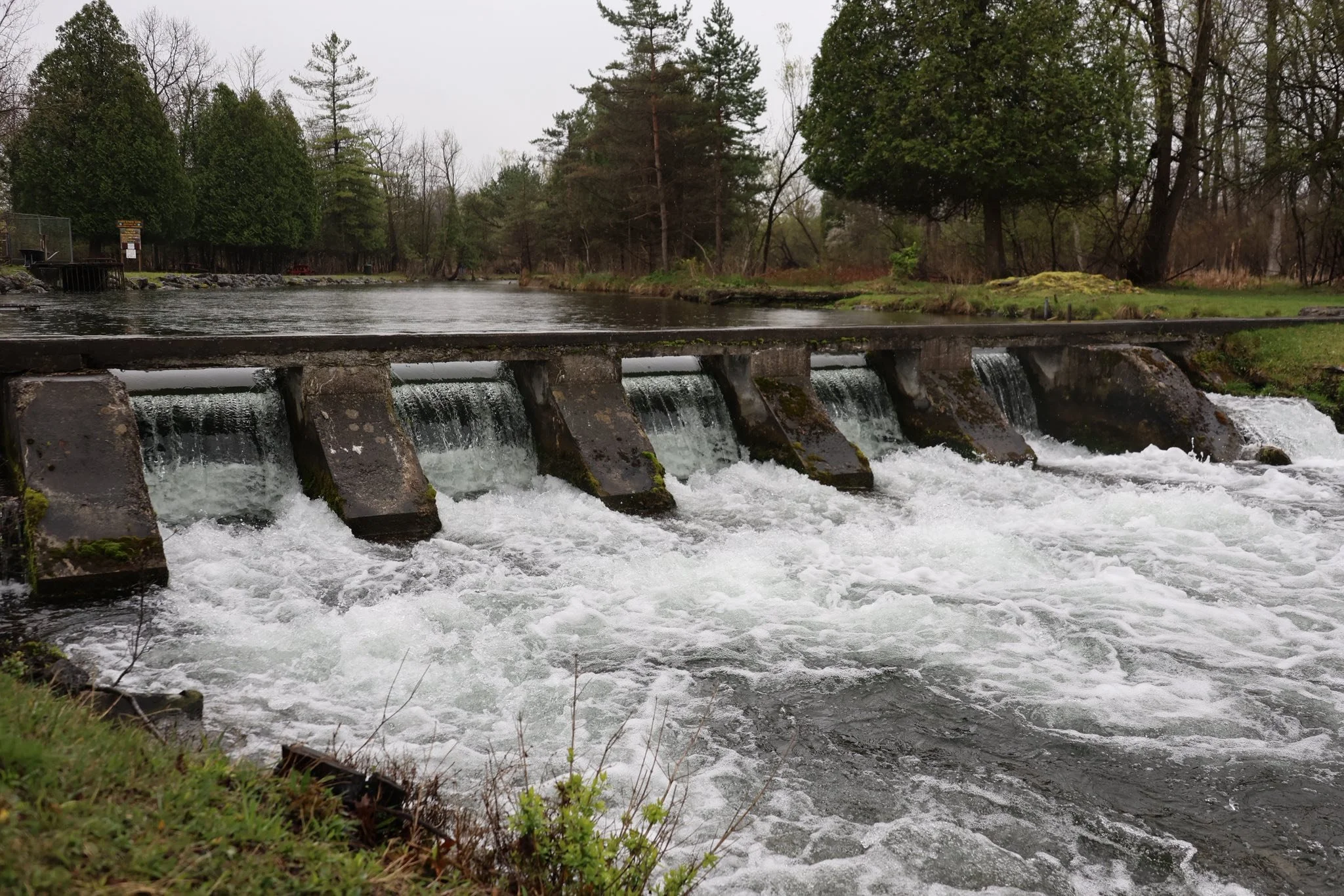
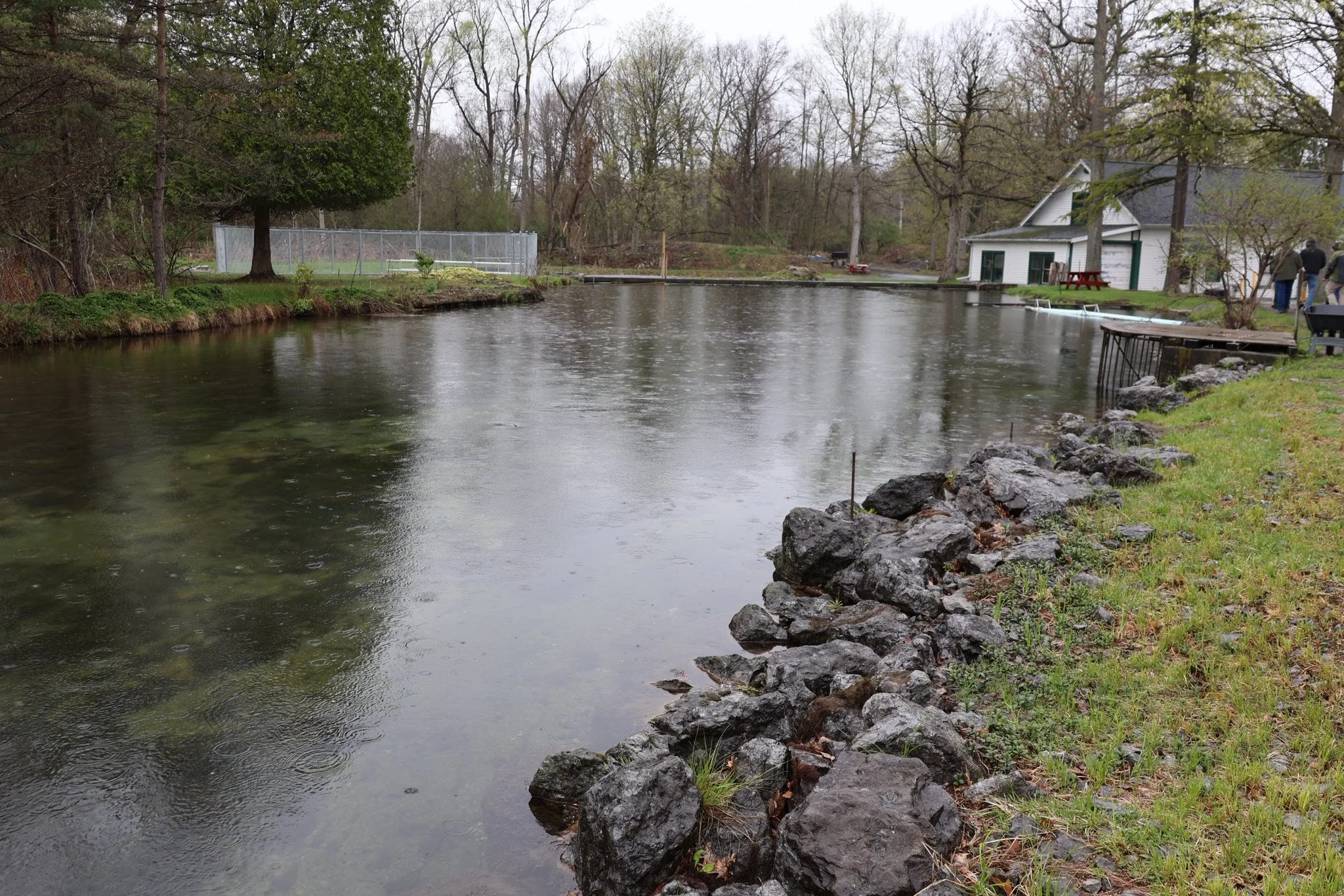
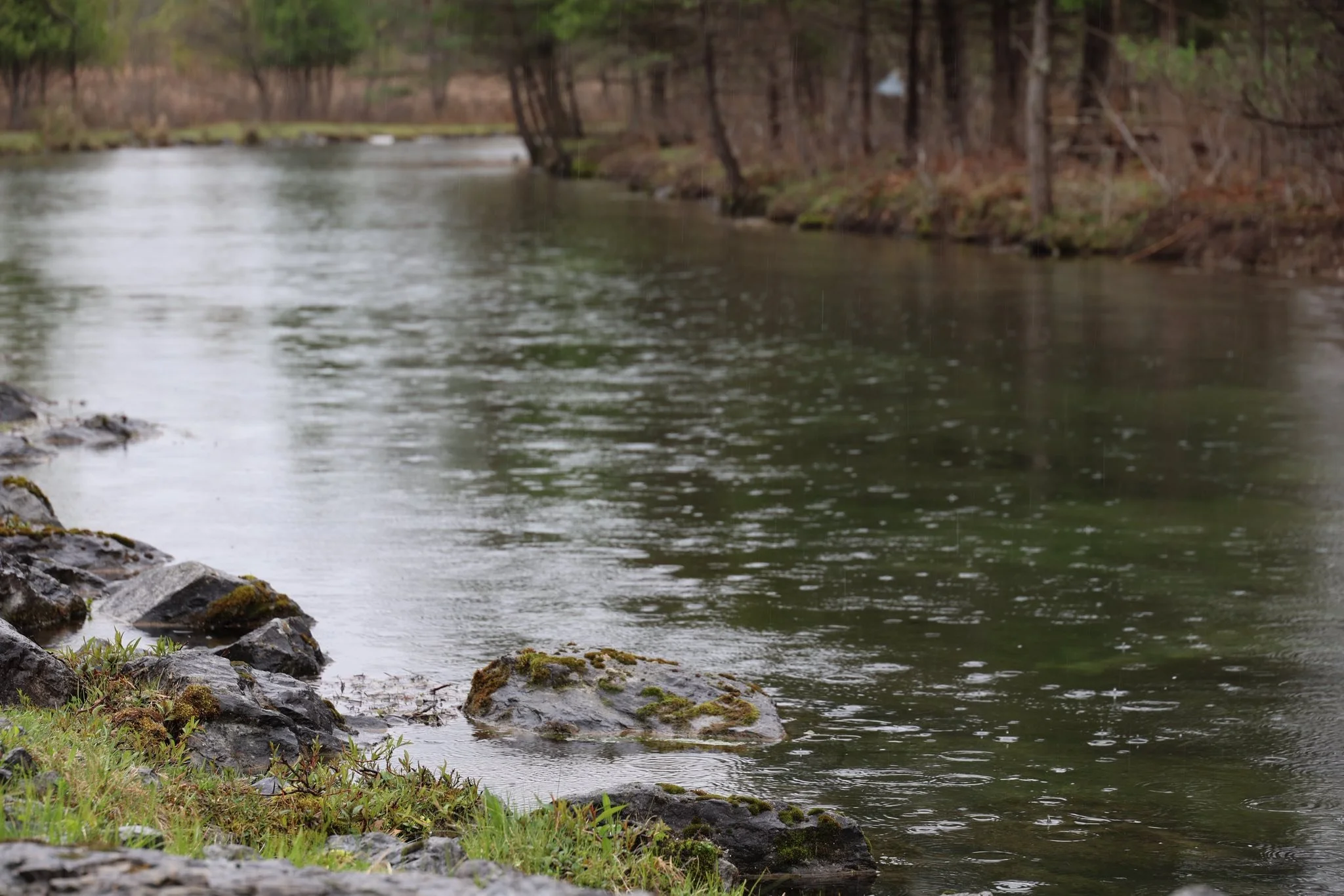
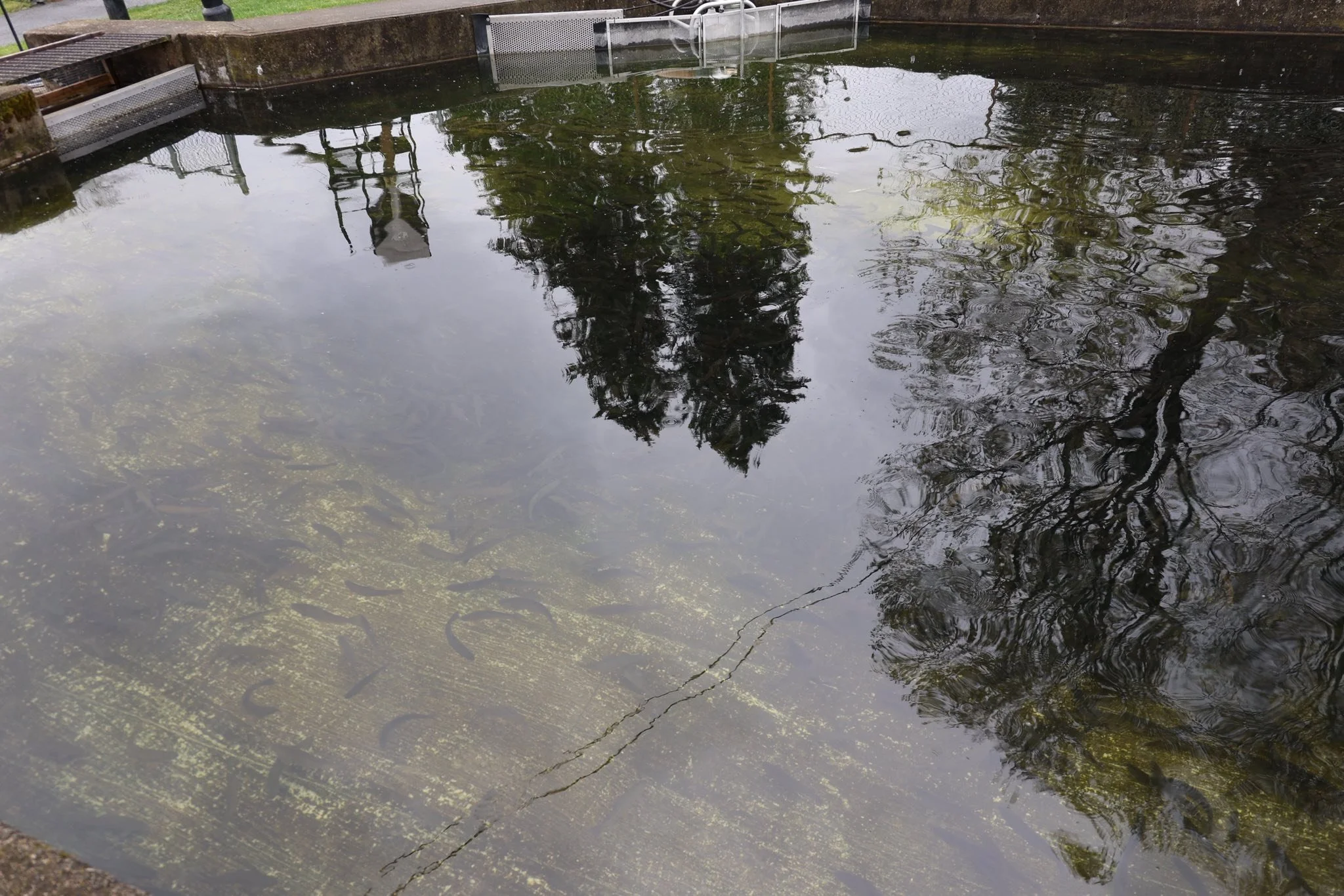
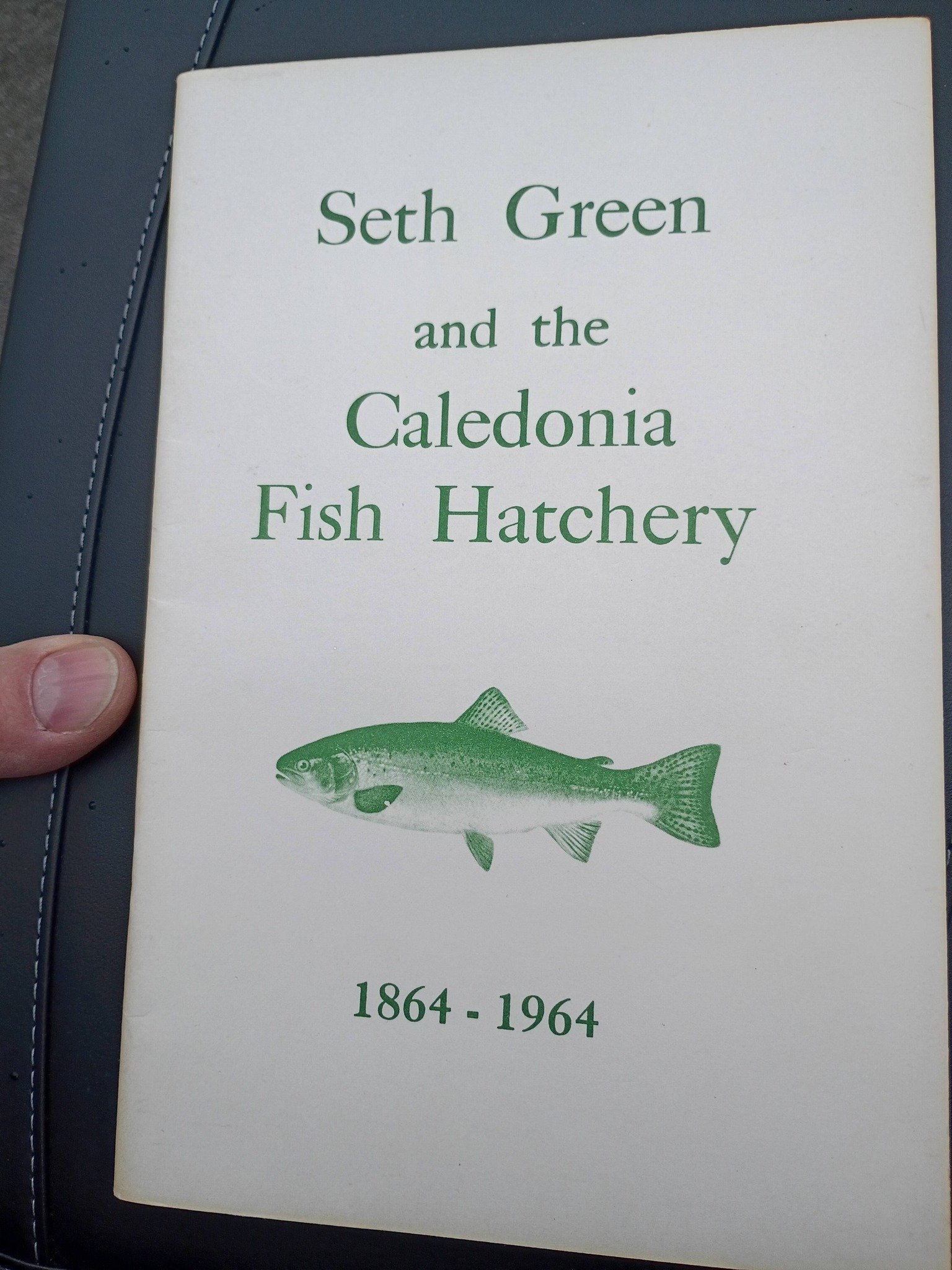
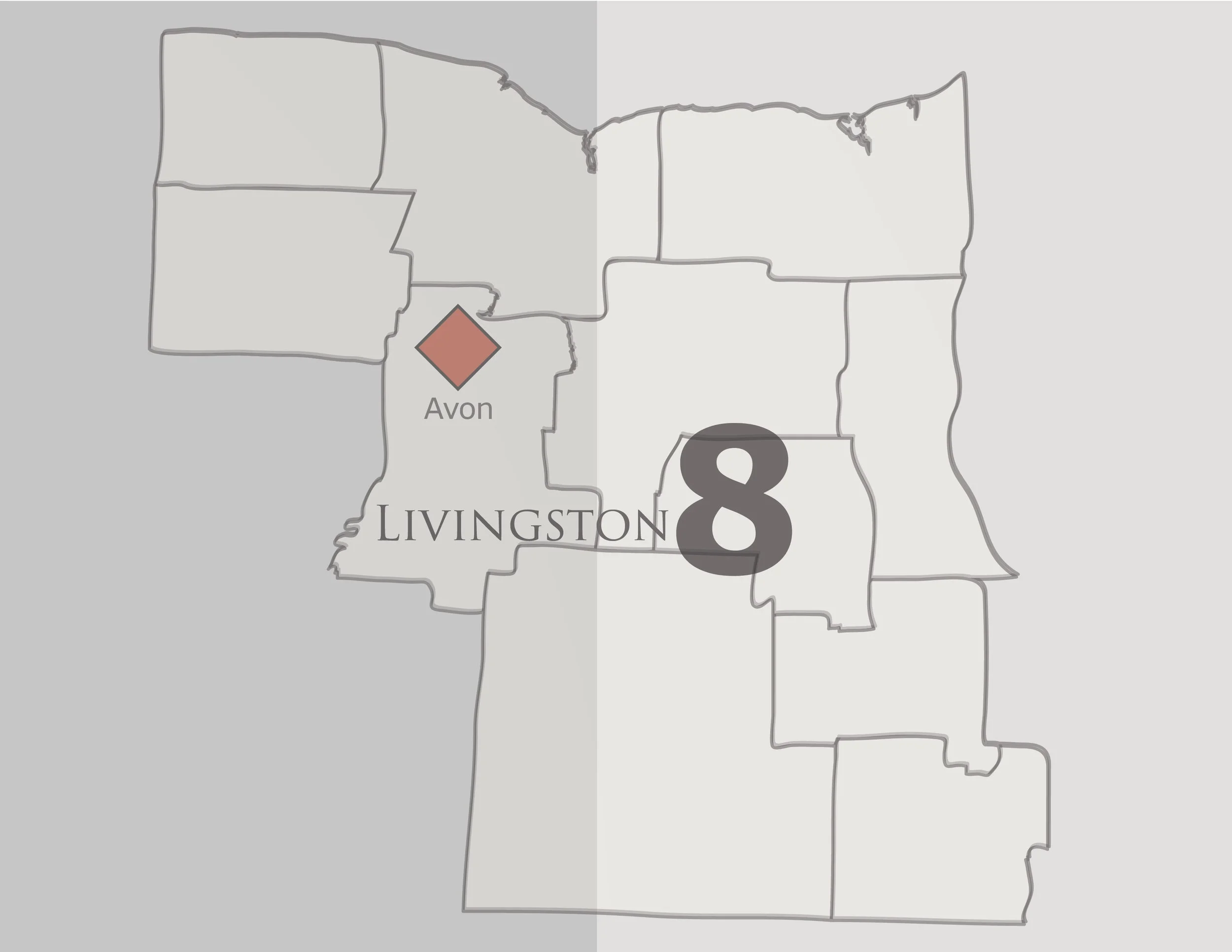
The 2026 NYSCC Spring Meeting is set to take place in Region 8 - Livingston County, home to the oldest fish hatchery in New York and the Western Hemisphere.
Join fellow members for a weekend meeting that brings together people who are passionate about our mission. The weekend begins on Friday evening with an informal meet-up at RIT Conference & Event Center, offering a relaxed opportunity to connect, share stories, and meet like-minded individuals.
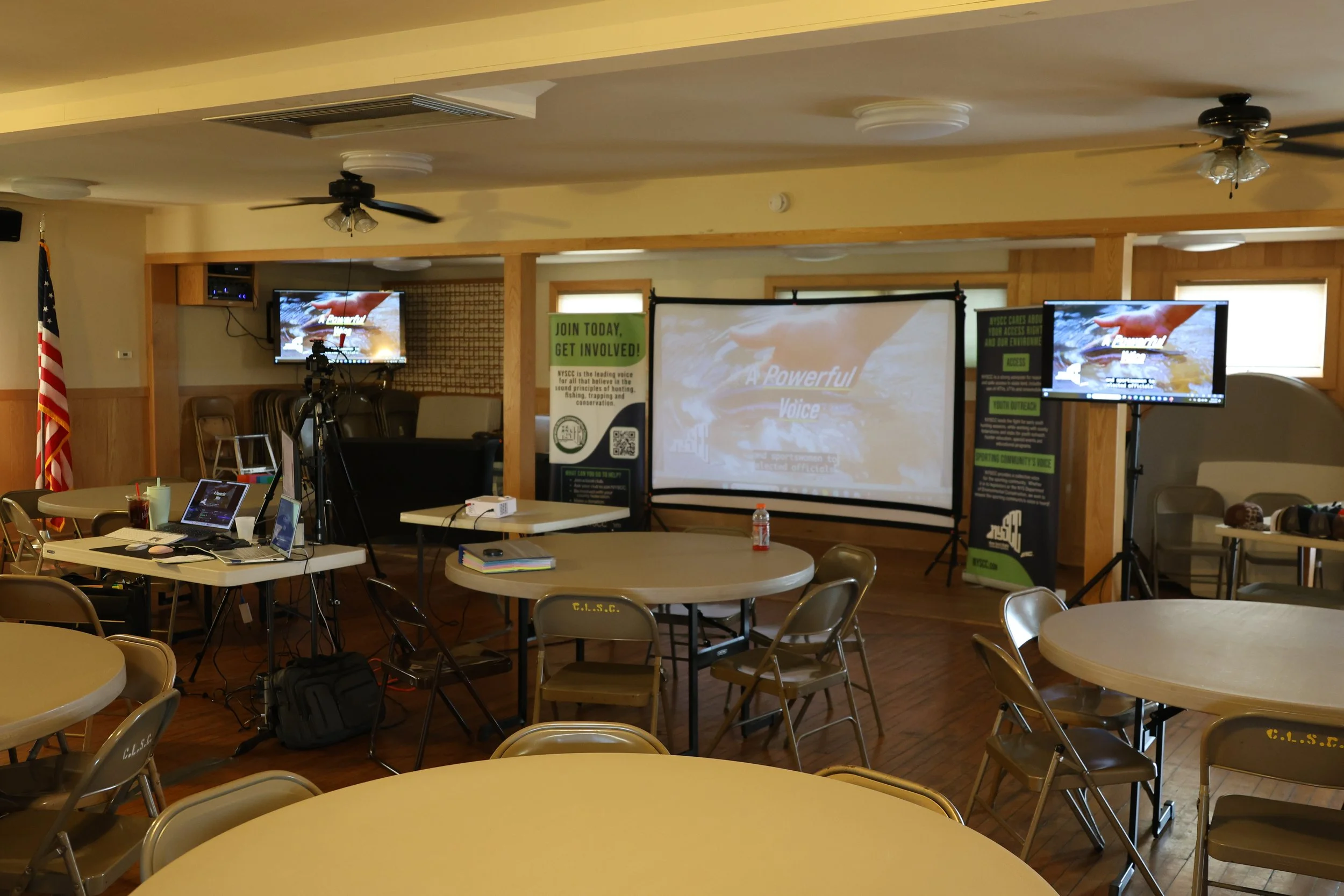
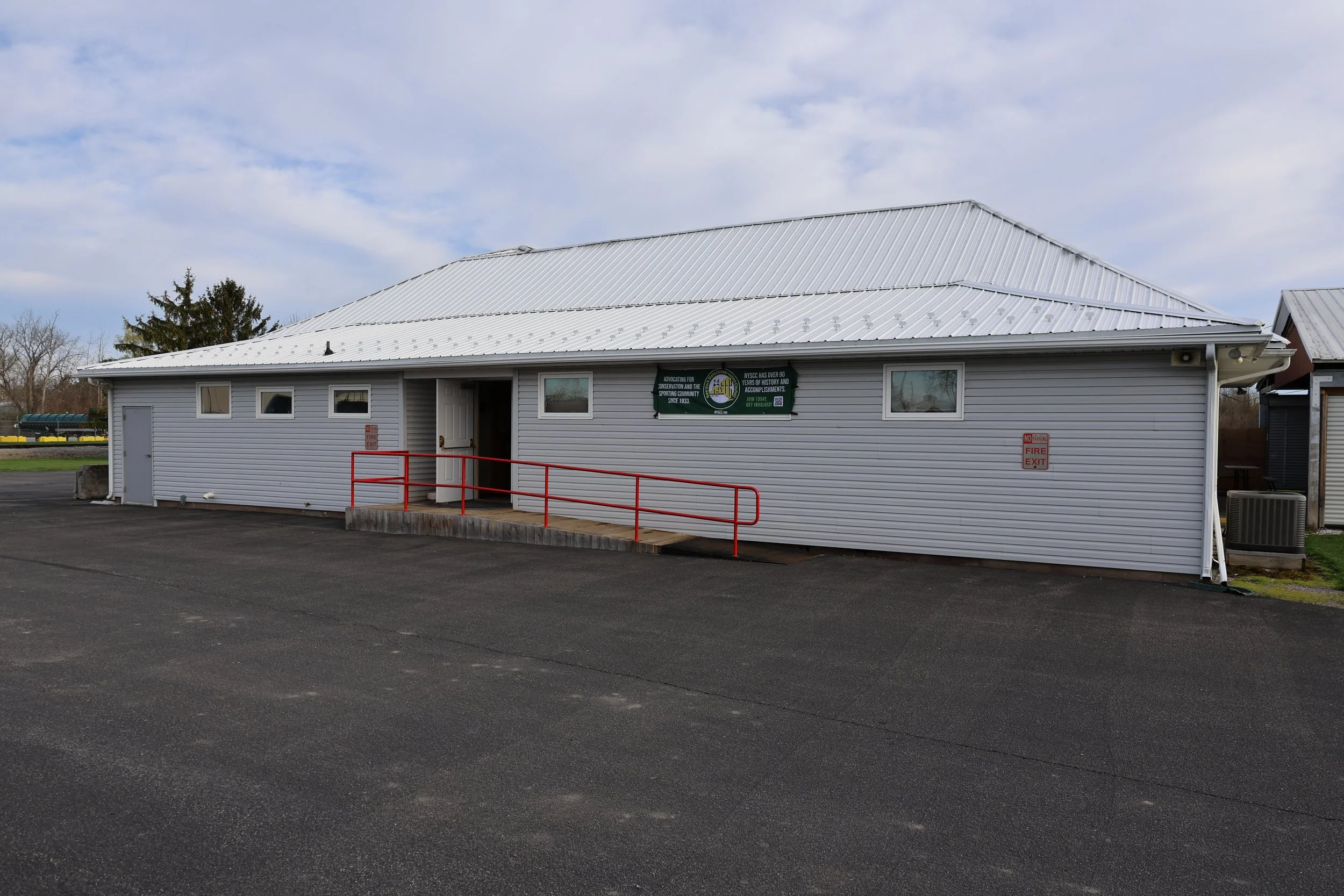
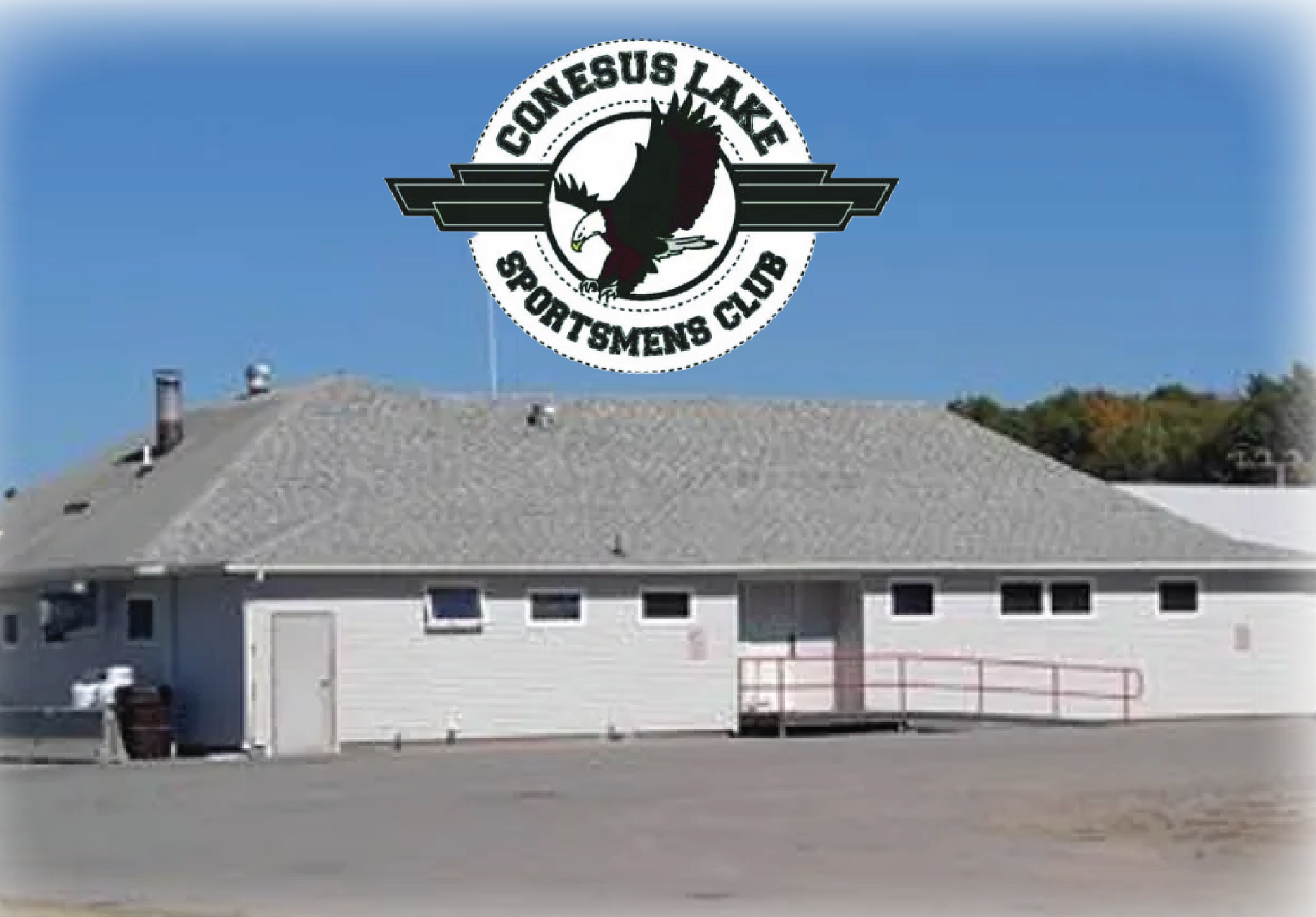
On Saturday at the Conesus Lake Sportsmen’s Club, attendees will take part in collaborative work sessions, engaging in meaningful discussion and idea-sharing with others committed to outdoor tradition. See firsthand how the council works for you. The day will conclude with a group dinner at Jeremiah’s Tavern, providing time to unwind, continue conversations, and strengthen connections.
The meeting wraps up on Sunday with a guided tour of the Caledonia Fish Hatchery, the oldest in New York and the Western Hemisphere, offering a behind-the-scenes look at local fisheries management and conservation efforts in action. The hatchery is part of the modernization plan that was announced in May 2025.
The Spring Meeting will blend collaboration, education, and community - making it a rewarding weekend for anyone dedicated to sustaining our outdoor heritage.
locations
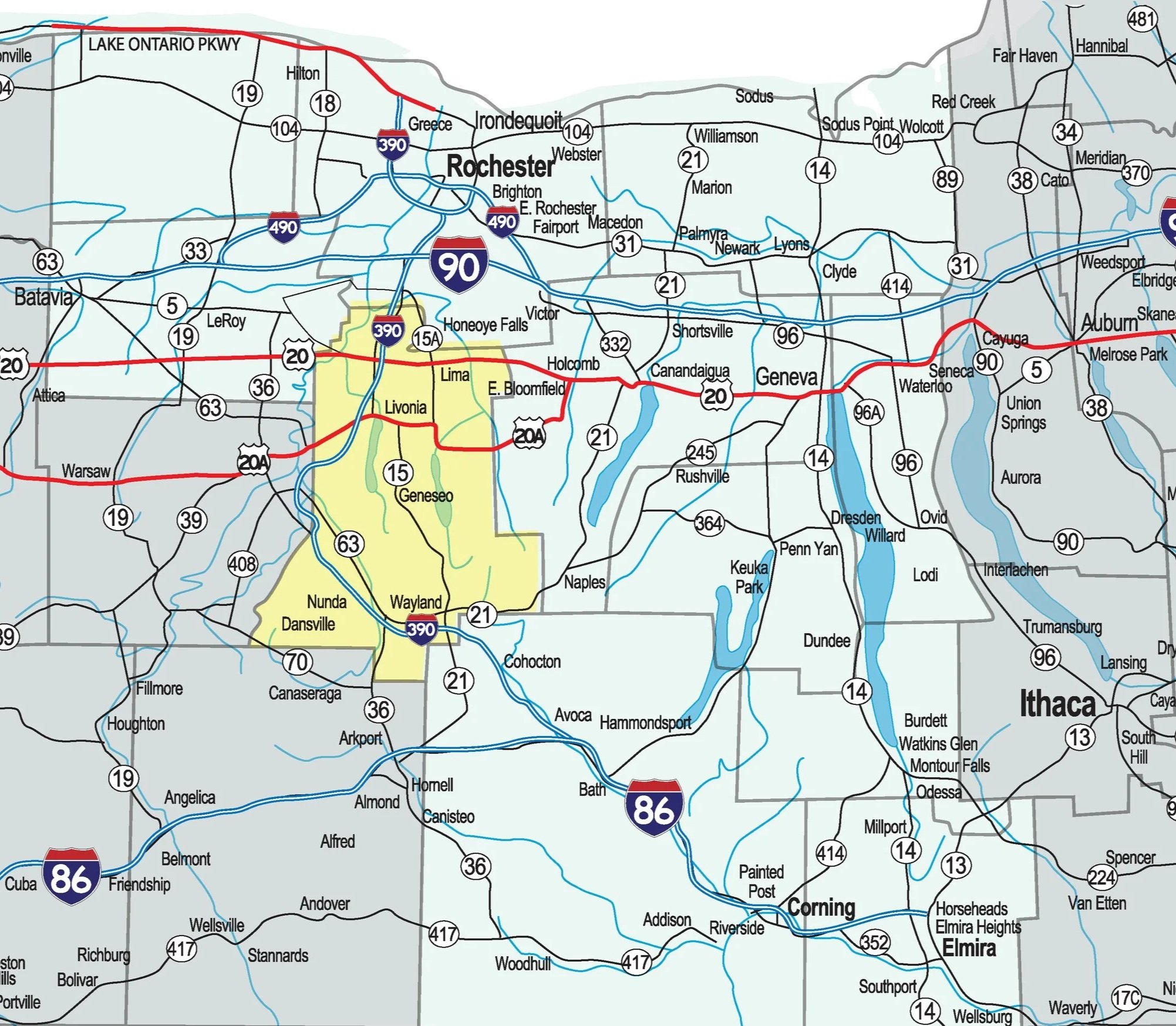
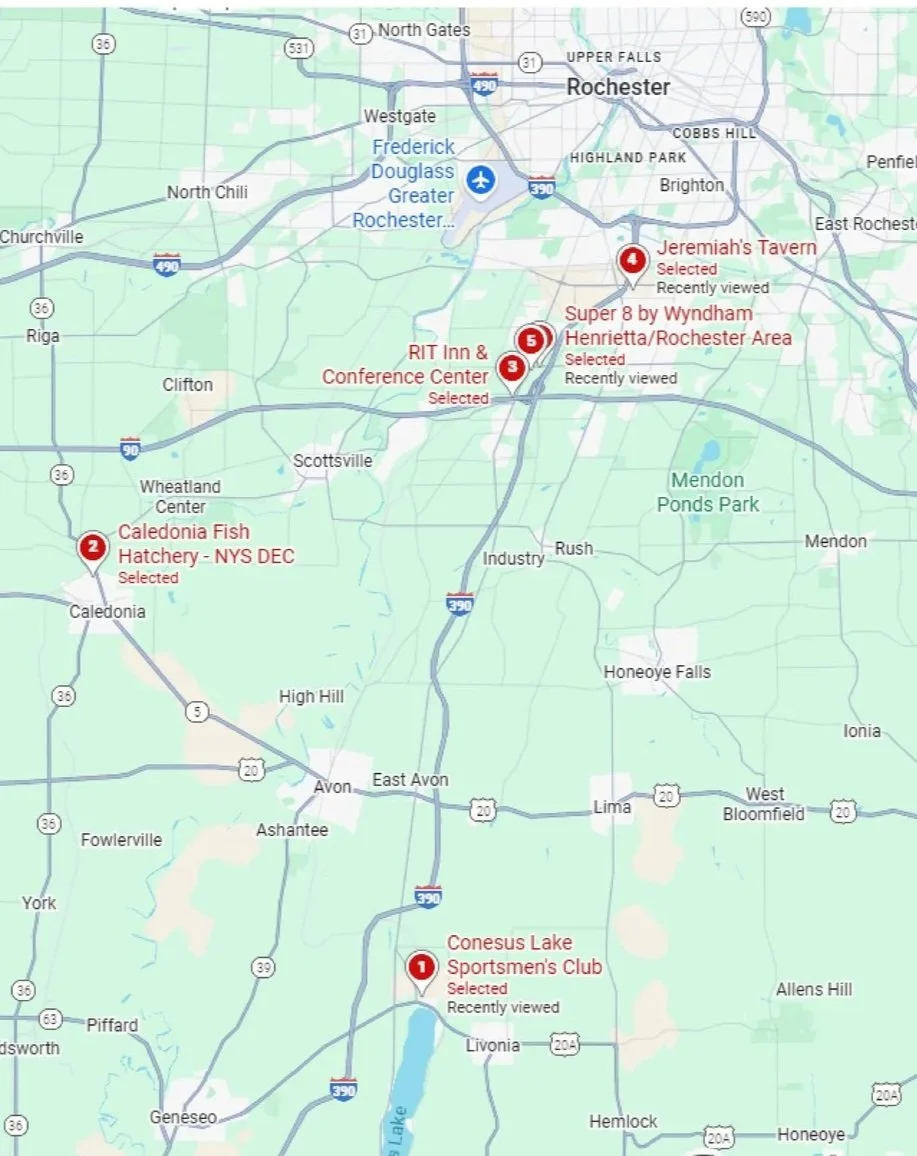
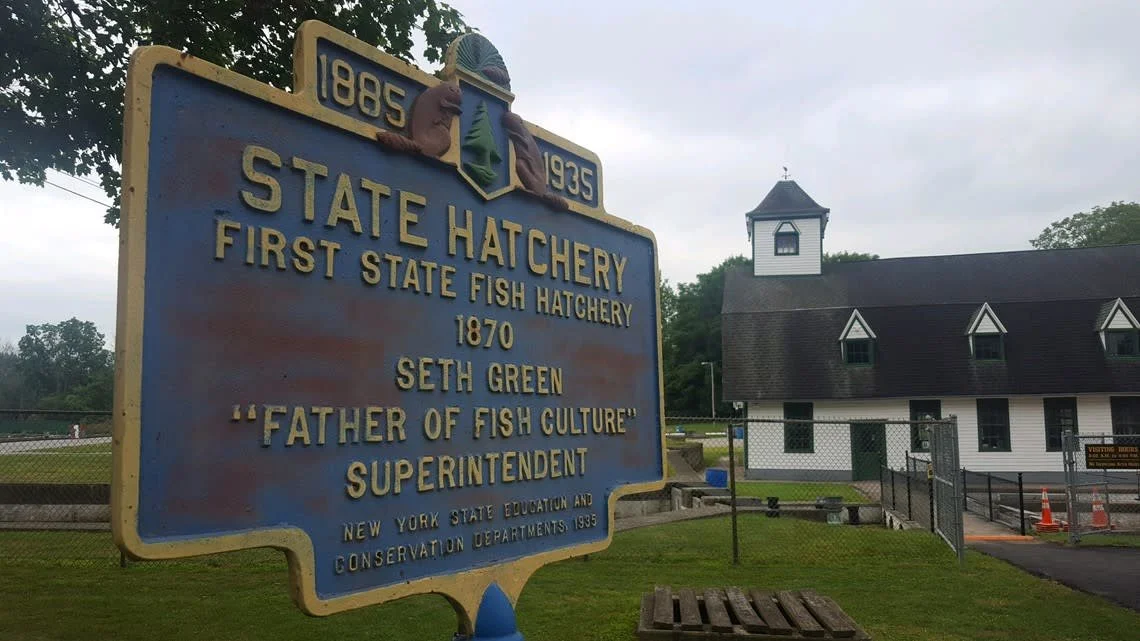
BIG SPRINGS MUSEUM 3095 Main St, Caledonia, NY 14423
HATCHERY 16 North Street, Caledonia, NY 14423
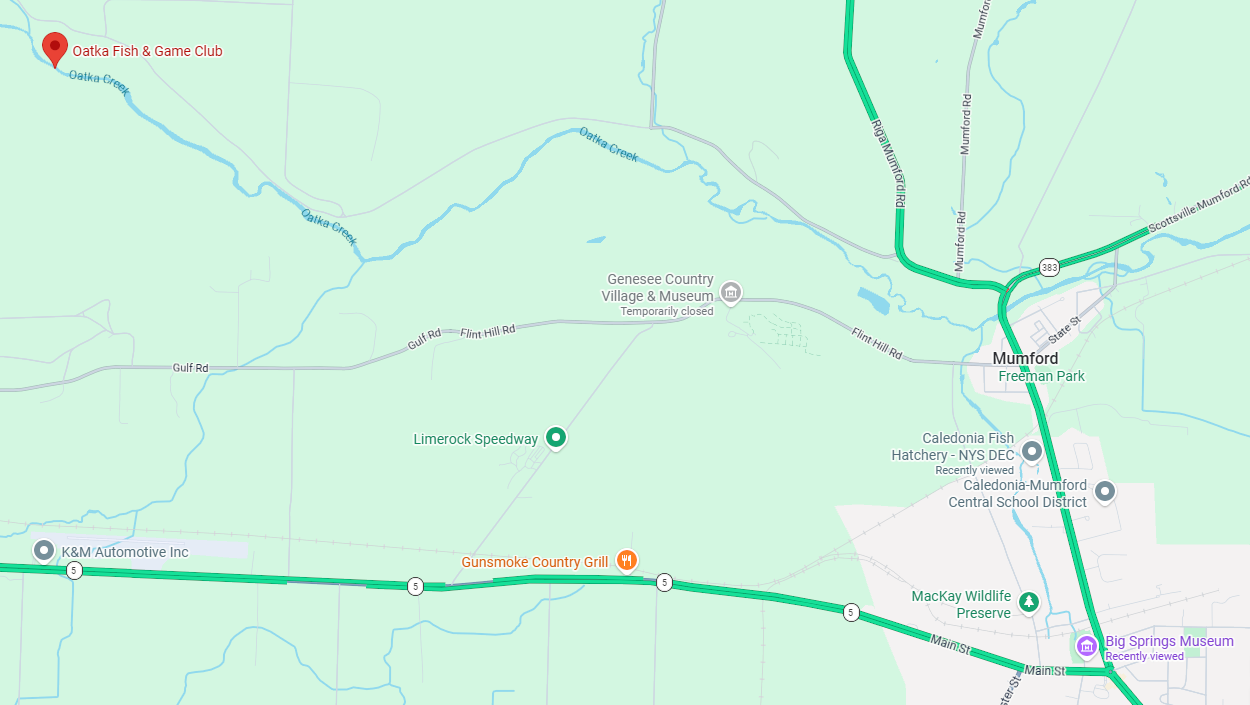
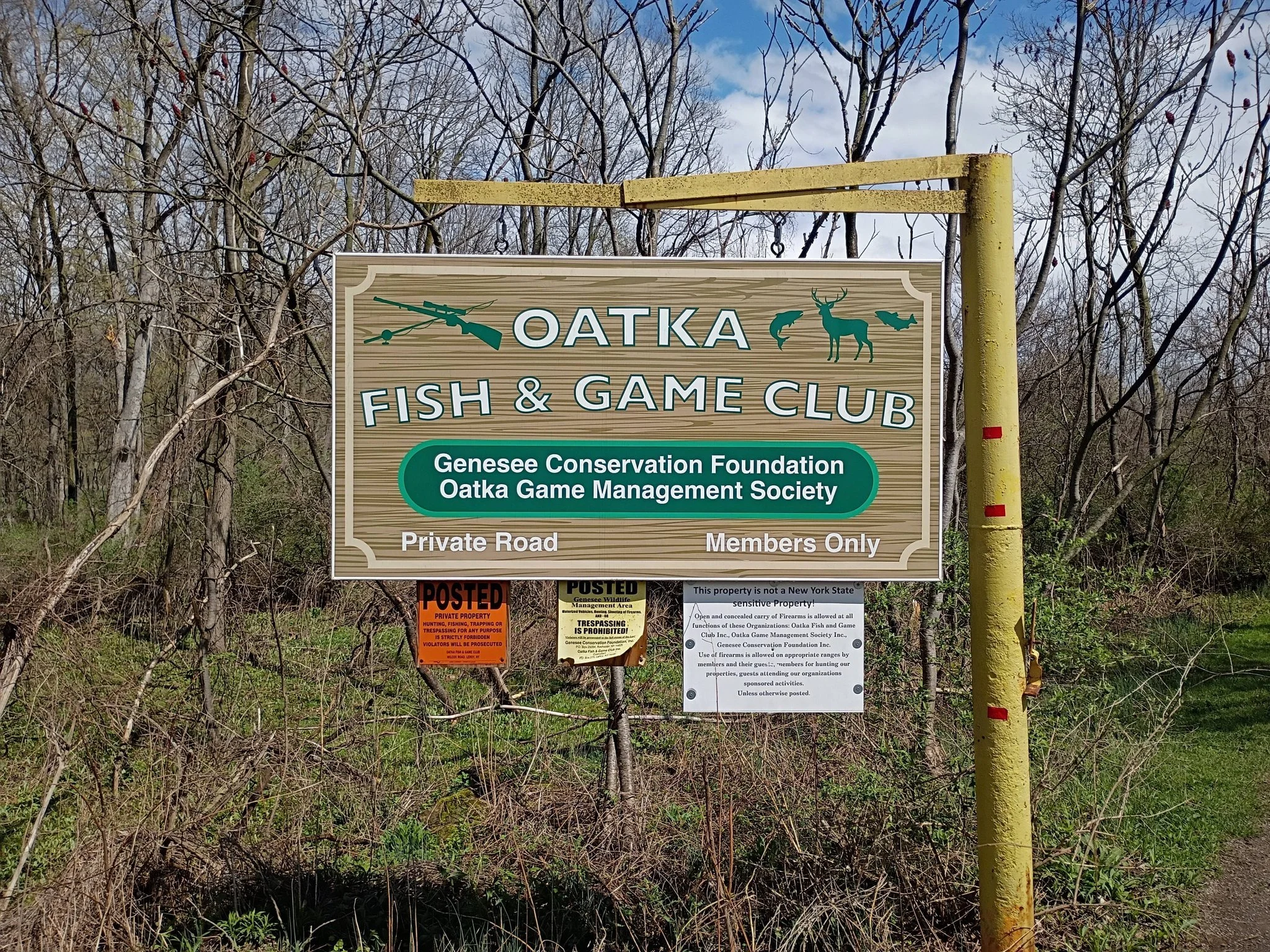
OATKA CLUB 8237 Wilcox Rd, Le Roy, NY 14482
lodging
rit inn & conference center
(1) King or (2) Double $159 / night                                          ATTENDEE CODE:  260410NSCC
Booking Deadline: Thursday, March 5, 2026
5257 West Henrietta Rd, Henrietta, NY 14467 (585) 359-1800
Baymont by wyndham
(1) Queen $65; (2) Queens $85 / night
Booking Deadline: Thursday, March 26, 2026
905 Lehigh Station Rd, Henrietta, NY 14467 (585) 358-0062
super 8 by wyndham
1000 Lehigh Station Rd, Henrietta, NY 14467 (585) 359-1630
(1) Queen $65; (2) Queens $85 / night
Booking Deadline: Thursday, March 26, 2026